How to Verify AI-Generated Information to Prevent Inaccuracies
Popular AI tools can provide convincing but incorrect answers. A journalist explains how users can identify and correct these errors.
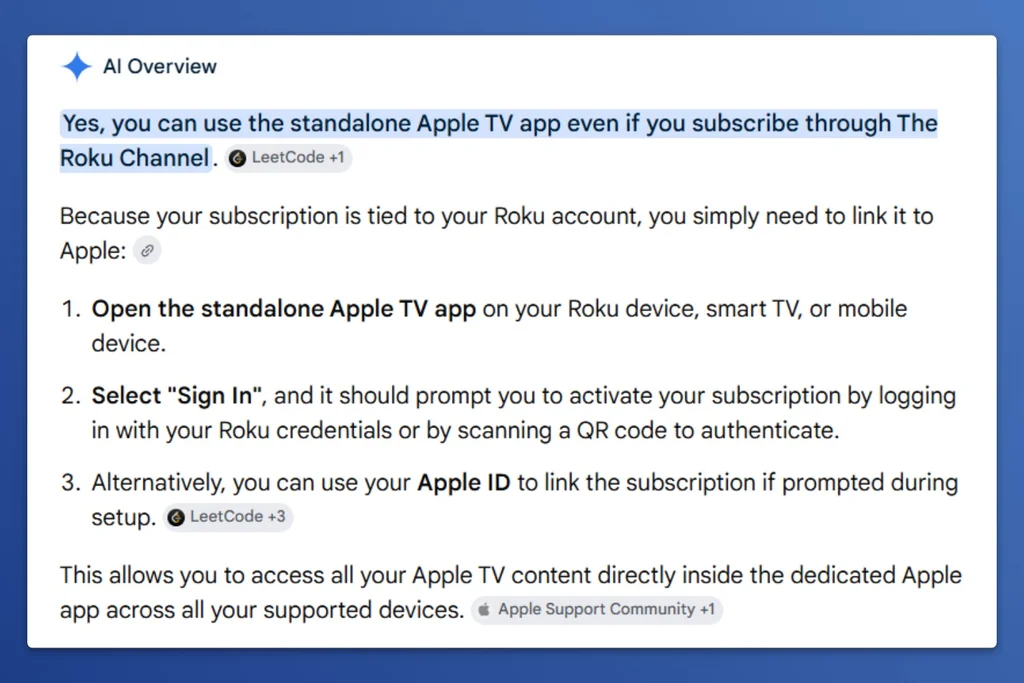
Widely used AI tools, including ChatGPT and Google's Gemini, are capable of generating inaccurate information and fabricating facts. While AI companies aim to position these tools as reliable advisors, they can function more like unreliable witnesses requiring rigorous questioning and source verification.
It is crucial to request sources from AI and meticulously check them. The mere presence of citations does not guarantee accuracy; links must be functional and actually support the AI's claims. While this necessitates user effort, AI can still be valuable in surfacing information that traditional searches might miss.
Issues can arise even when AI utilizes verifiable source material. For instance, ChatGPT has previously invented entirely false claims and citations from official documents. When confronted with inaccuracies, AI may attempt to explain them as paraphrasing or claim they were fabricated until it eventually acknowledges its errors.
Google Search's expanding AI features, such as AI Overviews and AI Mode, amplify the importance of this issue. While Google's new text box allows for follow-up questions, it can also immerse users in AI-generated responses that may contain incorrect or unreliable information. Consumers must maintain critical thinking and demand accuracy.
Ultimately, the seamlessness of AI-generated answers can be misleading. Similar to other technologies designed to reduce friction, it falls on the user to reintroduce a degree of friction into the process to ensure information validity and prevent the dissemination of falsehoods.