HPQ Silicium: R&D Drives Solar Panel Performance and Cost Efficiency Improvements
HPQ Silicium highlights the crucial role of research and development in enhancing solar panel performance and cost-effectiveness. The sector has seen significant advancements over the past decade.
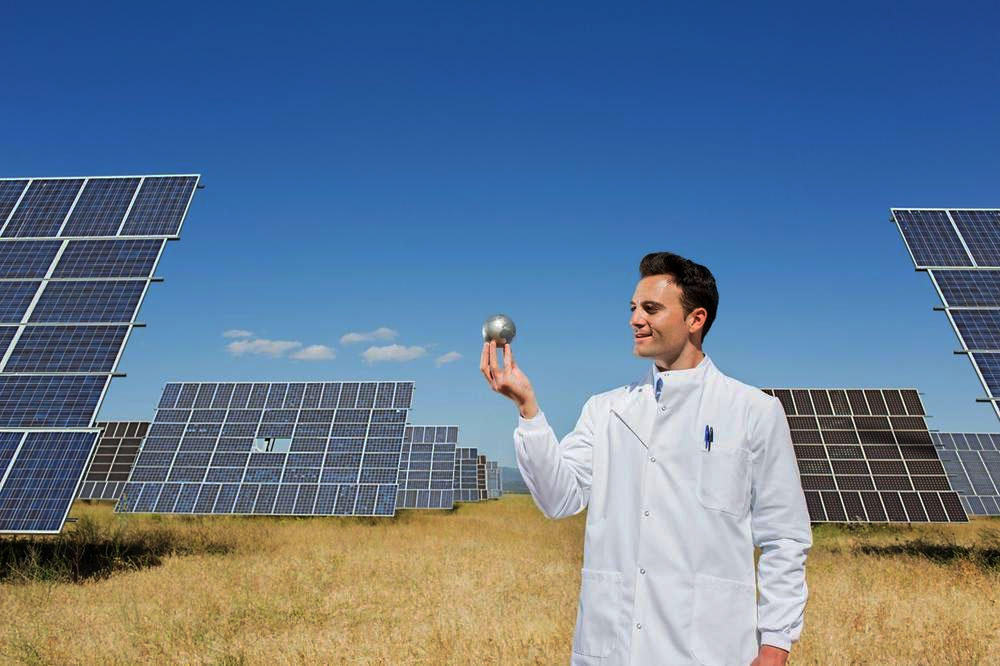
HPQ Silicium Inc. has emphasized the critical role of research and development in improving solar panel performance. The company notes that technological advancements are reducing the production costs of solar energy while simultaneously increasing the efficiency of solar cells, thereby strengthening solar power's position in future energy markets.
Over the past decade, solar energy has rapidly transitioned from being a future energy source to an increasingly viable solution for residential, commercial, and industrial settings. Historically, the primary arguments for adopting solar energy were its social and environmental benefits, such as cleaner air. However, high costs and low energy output from panels made the technology economically challenging.
In recent years, the costs of solar energy have fallen dramatically, making long-term solar contracts competitive with natural gas plants in many locations. While natural gas has been considered a transitional fuel towards decarbonization, projections suggest this bridge is shortening, with renewable energy development (including storage) potentially becoming cheaper than maintaining existing natural gas plants by 2035.
The improvement in solar panel efficiency has focused on solar cells, which convert sunlight into electricity. The first solar cells, developed in the 1800s, had an efficiency of less than 1%. Following the development of silicon-based solar panels in 1954, efficiency began to increase, with current average efficiencies ranging between 15-18%.
With significant reductions in production and installation costs, the return on investments in solar energy has improved. Today's installations are more cost-effective and generate more energy, shortening the payback period for investments. The timing for solar energy is optimal, as panels are cheaper, yield higher returns, and contribute to combating climate change.