Huawei Launches Intelligent RAIL 2.0 to Accelerate Global Rail Upgrades
Huawei unveiled its next-generation intelligent rail solution, Intelligent RAIL 2.0, at InnoTrans 2026. The system aims to accelerate the digital transformation and intelligent upgrades of global railway networks.
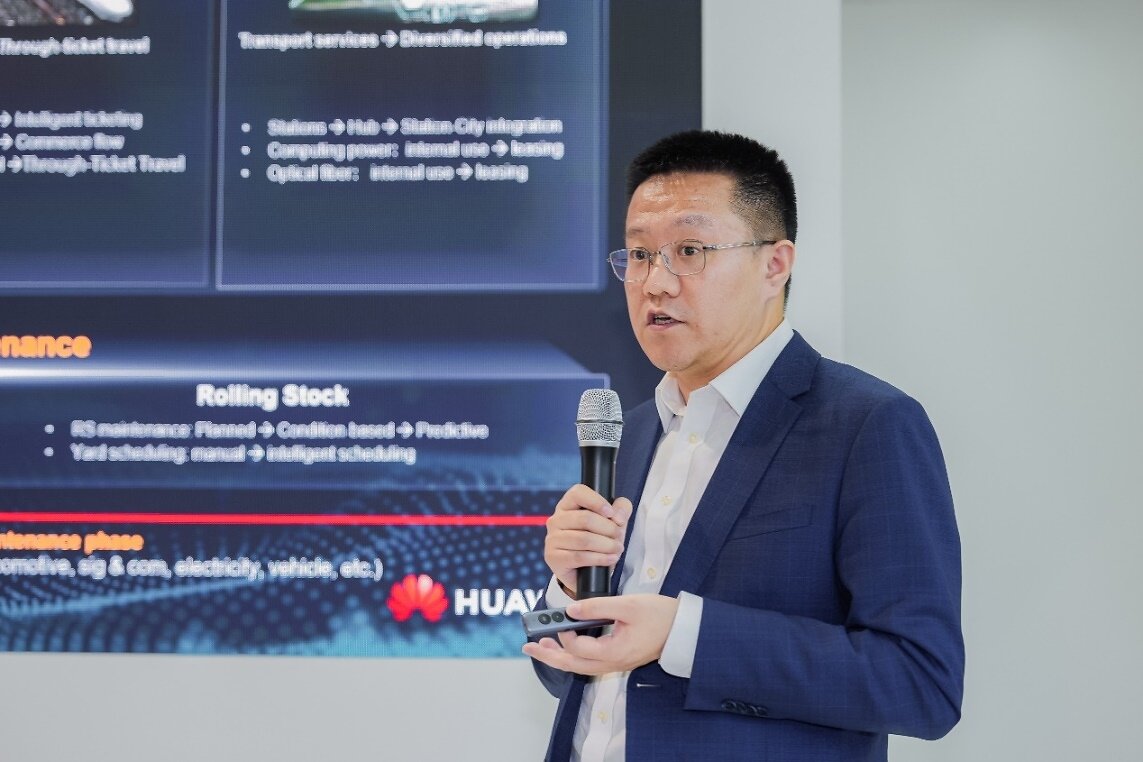
Huawei introduced Intelligent RAIL 2.0, its latest generation of intelligent solutions for the global railway industry, at the InnoTrans 2026 trade fair in Berlin. The launch event gathered industry organizations, including the International Union of Railways (UIC) and the International Association of Public Transport (UITP), alongside global customers and ecosystem partners to discuss the future of the sector.
Discussions at the event highlighted the growing importance of digital technologies and artificial intelligence (AI) in the railway sector. UIC's Director of Digital Systems and Innovation, Jean-Michel Evanghelo, noted that FRMCS will be a first step towards a robust digital foundation for railway operators, emphasizing the increasing need for AI application standardization. UITP representatives presented research on AI-driven smart rail transportation, showcasing how AI is being deployed to enhance operational efficiency and safety in metro systems.
Raymond Zuo, President of Huawei's Smart Rail Business Unit, outlined Huawei's "intelligent RAIL" strategy, which leverages digital and intelligent technologies to improve rail safety, automation, service integration, and long-term evolution. Intelligent RAIL 2.0 comprises 20 scenario-based solutions targeting areas such as construction, passenger and freight transport, and equipment maintenance. Huawei focuses on providing communication and digital platforms, while partners deliver industry-specific solutions.
Huawei currently serves over 50 major railway clients worldwide and supports more than 300 urban rail lines. The company aims to deepen industry collaboration and advance the integration of cutting-edge technologies with railway applications to foster a safer, more efficient, and sustainable future for global rail transportation.