Huawei Outlines Strategy for Future Electrical Grids
Huawei Digital Power has presented its strategy for strengthening electrical grid stability and integrating more renewable energy in Europe. The plan focuses on grid-forming solutions.
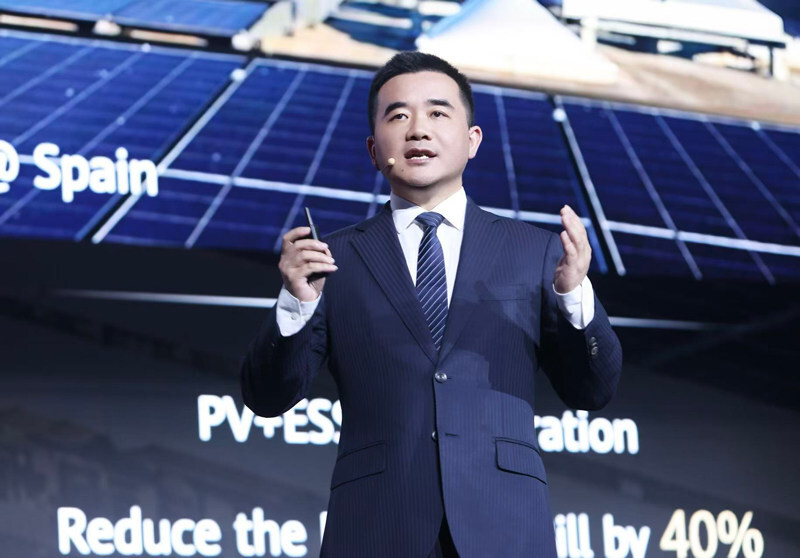
Huawei Digital Power outlined its strategy for future electrical power systems at the "The smarter E 2026" event in Munich. The company's approach emphasizes grid-forming, integrated solutions aimed at enhancing grid stability and supporting the increasing integration of renewable energy sources across Europe.
Steven Zhou, President of the Smart PV & ESS Product Line at Huawei Digital Power, highlighted that renewable energy, specifically wind and solar, is projected to constitute 64% of Europe's energy mix by 2030. This shift presents challenges such as reduced grid resilience and strength, partly due to complex operational planning and a decline in traditional synchronous generators. European markets are increasingly investing in grid-forming Battery Energy Storage Systems (BESS) and updating grid codes to accommodate these new capabilities.
The company is positioning its PV and BESS products as primary energy sources. Zhou announced that Huawei's LUNA intelligent string energy storage system is evolving into the LUTERRA brand, signifying a commitment to planetary protection through integrated energy solutions. Huawei is leveraging its 4T base technologies (Bit, Watt, Heat, and Battery) to accelerate the development of modern power grids.
Huawei also showcased its "One-Fits-All" solution, which integrates PV, BESS, EV charging, and AI-powered operational planning. Case studies from Germany and Spain were presented, demonstrating increased revenue and reduced electricity costs for businesses using the integrated system. Zhou stated that Huawei's flexible platform can adapt to various business models, maximizing customer value while enhancing grid stability with high renewable energy penetration.