Huawei Proposes Three 'Rs' to Reshape Networks for AI Era
At Network X 2026 in Vienna, Huawei's Bob Chen outlined a strategy for network evolution in the AI era. The approach focuses on rebuilding network architecture, reshaping business models, and redefining management and maintenance.
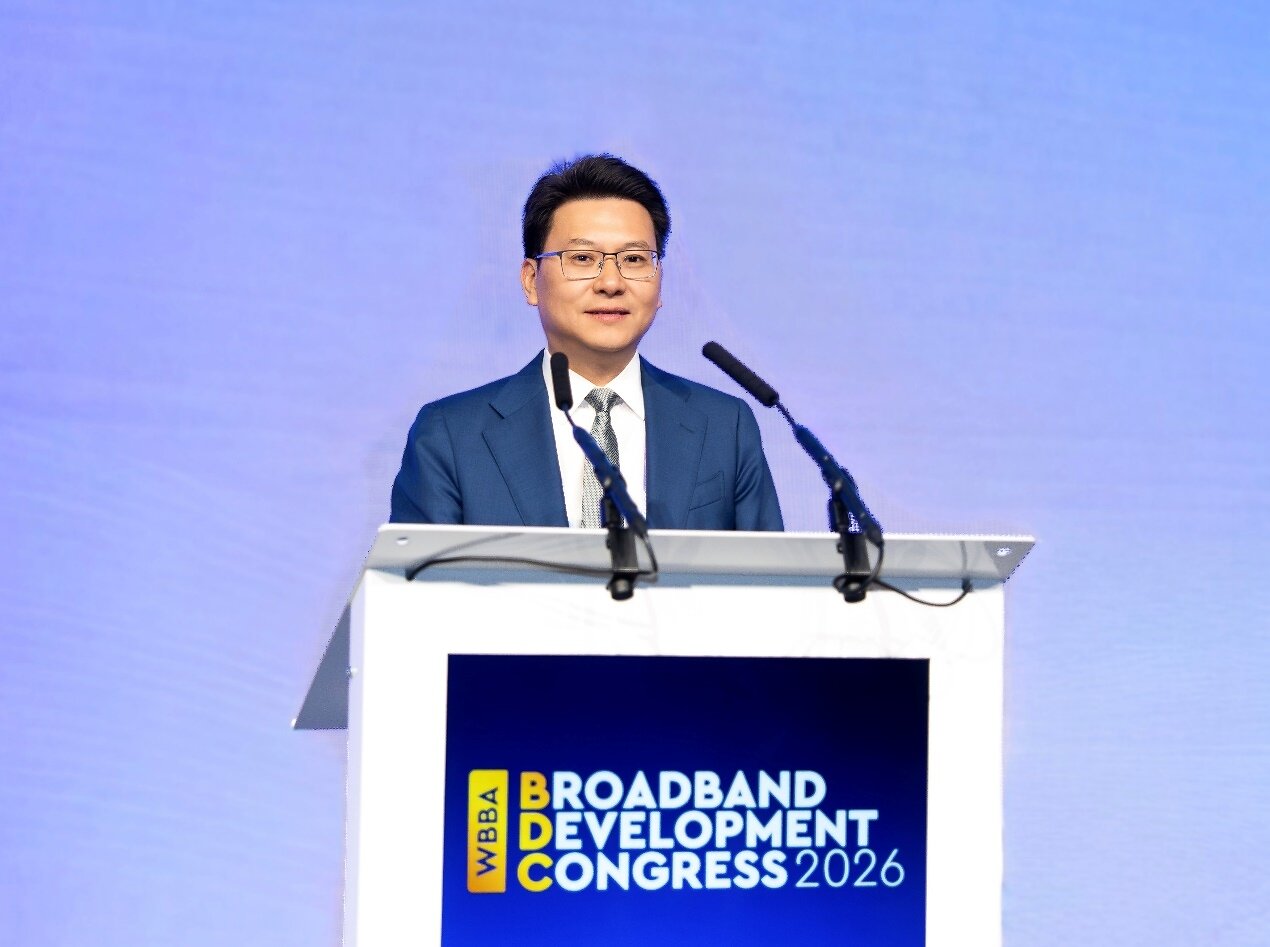
During the Network X 2026 event in Vienna, Huawei's Bob Chen, president of the Optical Business Product Line, presented a strategy for reshaping network value to drive growth in the AI era. He emphasized the necessity for the industry to adopt three core principles: rebuilding network architecture, reshaping business models, and redefining network management and maintenance.
Chen highlighted that the rapid advancement of AI, particularly the scale of large models, has fundamentally altered the requirements for network connectivity. He stated that network planning and construction must now be oriented towards AI service needs and data center layouts, while simultaneously leveraging AI to enhance operational capabilities.
The proposed 'three Rs' strategy includes shifting network architecture from traditional administrative region-centric designs to a focus on Automated Intelligent Data Centers (AIDC). For enterprise clients, business models should evolve from selling simple bandwidth to offering multi-dimensional services such as 'bandwidth + latency + reliability,' integrated with computing and network services. For home broadband, the focus should move beyond basic connectivity to providing whole-home Wi-Fi solutions and smart home experiences.
Furthermore, the strategy calls for redefining network operations and maintenance (O&M) to achieve full lifecycle intelligence, moving away from traditional semi-automated methods. This comprehensive approach aims to ensure networks can deliver the deterministic latency, high reliability, and security demanded by AI applications, thereby unlocking new value and growth opportunities for the sector.