Human Oversight Remains Crucial in AI-Driven Design Era
As generative AI accelerates idea realization, human roles in design are becoming more critical. Experts emphasize human judgment and creativity alongside technology.
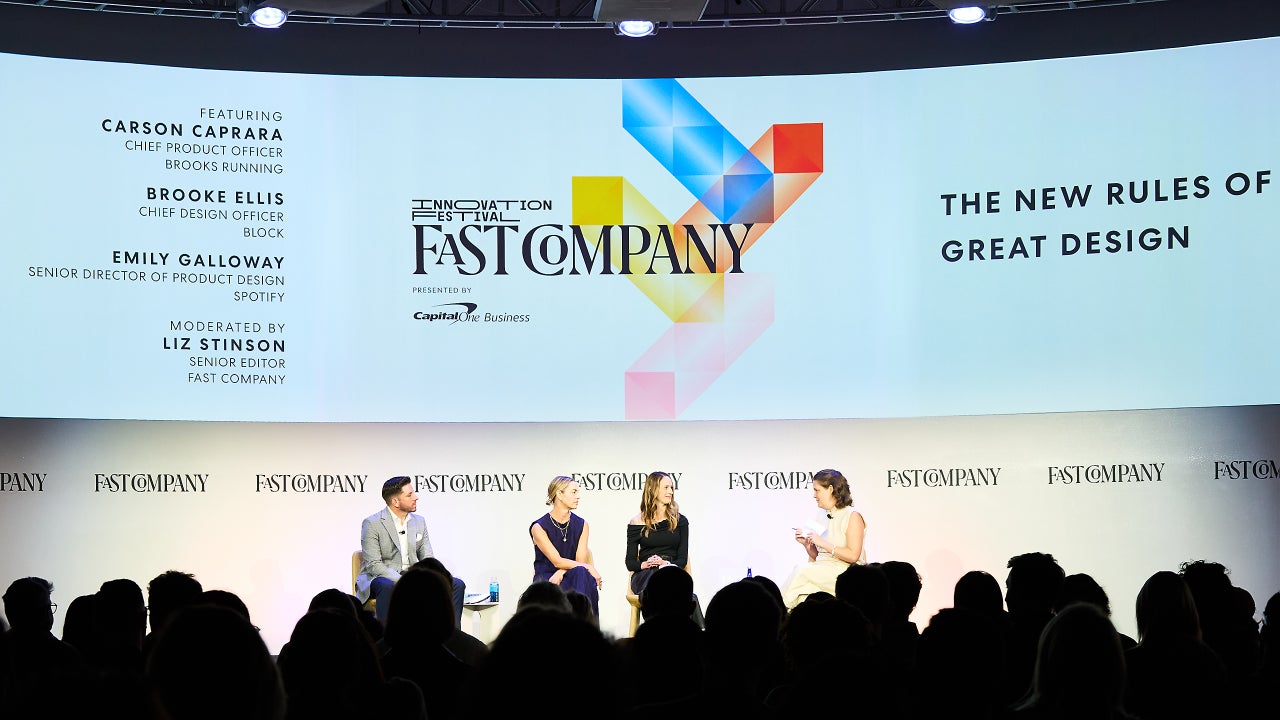
With generative AI enabling faster transformation of ideas into reality, the human role in the design process is gaining increased importance. "More is not always better. Faster is not always better," said Emily Galloway, Spotify’s senior director of product design, during a panel at the Fast Company Innovation Festival. "Human judgment is becoming so important."
The decreasing cost of invention means the key challenge is discerning what is truly worth building, agreed Brooke Ellis, Block's chief design officer. While technology can expedite development, ensuring products don't feel cold is vital. Spotify's AI DJ, launched in 2023, aimed for a companion-like user experience. Modeling the voice after employee Xavier Jernigan gave the project a human touch.
Galloway explained that using generative AI requires designers to create broader systems rather than prescribing every output. Success hinges on assembling the right human team alongside machines. For AI DJ, this involved a "writer's room" with writers, culture and music experts, and engineers collaborating with the technology.
Even in more traditional sectors, like athletic apparel company Brooks Running, AI is being explored. Despite running being a fundamentally human endeavor, the company used AI to analyze runner biomechanics for performance improvement. Carson Caprara, Brooks Running's chief product officer, noted that this led to the creation of custom spikes that aided Josh Kerr's world record, raising questions about its potential for everyday runners.
Sometimes, truly novel products emerge from unconventional approaches. Ellis described Block's Cash App Wand, a whimsical device intended to bring playfulness to payment processes. This item, which didn't necessarily solve a problem but made a routine activity more engaging, sold out in 10 minutes. Ellis concluded that the future of good design involves leaving ample space for human imagination.