Humanitarian Logistics: Supply Chains to Disaster Zones
The primary goal of humanitarian logistics is to save lives by rapidly delivering essential supplies to disaster-stricken areas. The process involves careful planning and adaptation of transport methods to local conditions.
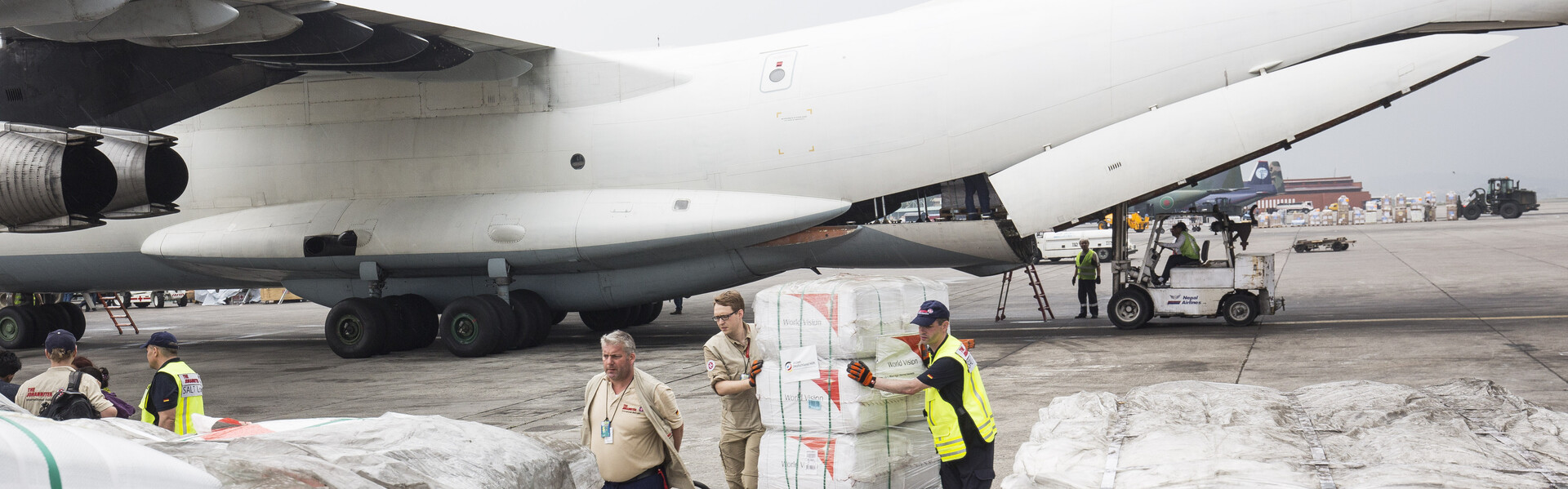
The core objective of humanitarian logistics is to save human lives by ensuring the swift delivery of vital supplies to regions affected by natural disasters or crises. Aktion Deutschland Hilft, an alliance of over 20 aid organizations, has published an infographic detailing this complex process.
Planning must commence within hours of a disaster, as pre-positioned stock is often unavailable. When procuring goods such as food, clothing, kitchenware, tents, and tools, the organization prioritizes local purchasing where feasible to expedite delivery, reduce costs, and support the local economy. Medical supplies and equipment are produced and stockpiled in advance for international export, with special attention given to the refrigerated transport of necessary medicines.
Damaged infrastructure, including collapsed bridges and blocked roads, presents significant challenges. The choice of transport method depends on the situation: intact roads allow for truck transport, while aircraft are often the only viable option in inaccessible areas. For island nations or severely compromised regions, ships may serve as the most effective means of delivery.
Upon arrival in the disaster zone, relief supplies are moved to a central warehouse for a final quality check before distribution to those affected. The organization emphasizes the need to tailor logistics to the specific circumstances of each disaster to ensure effective aid delivery.