Humanitarian Organizations Use AI to Reach People Faster
Humanitarian organizations are leveraging artificial intelligence (AI) to expedite aid delivery in disaster zones and address growing needs amid funding cuts.
Humanitarian organizations are increasingly adopting artificial intelligence (AI) to enhance their operations during crises and reach more individuals in need, particularly as the sector faces significant funding reductions.
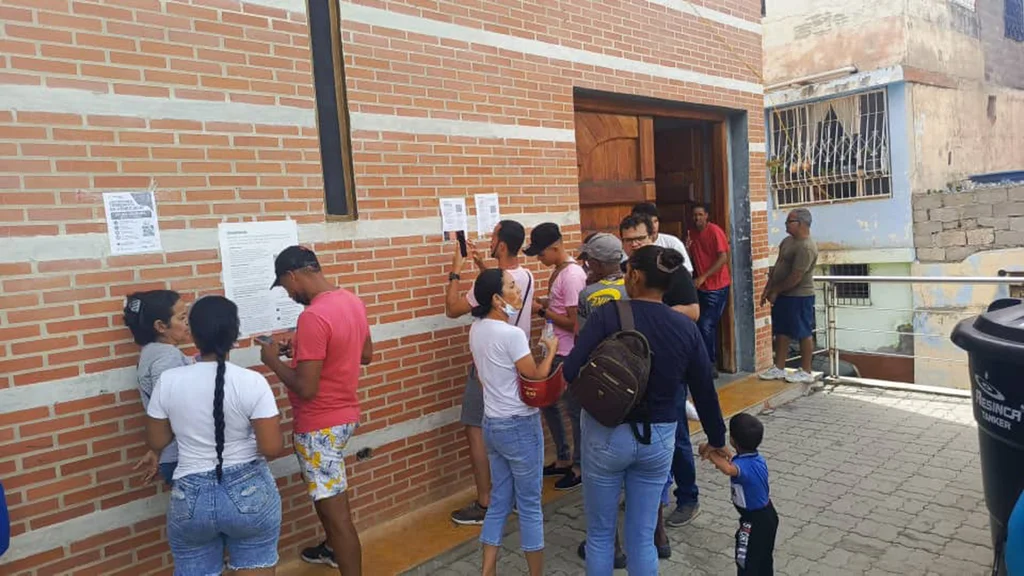
GiveDirectly, for instance, utilized AI to analyze satellite imagery following an earthquake in Venezuela. The technology helped identify the most affected neighborhoods, which were then cross-referenced with poverty data, enabling faster cash assistance distribution via mobile phones to those most in need.
Mercy Corps is employing agent-based AI to accelerate report generation after disasters. The organization states that AI handles routine data collection and research, freeing up analysts to focus on decision-making. In Sudan, an AI tool has halved the time required for information gathering by utilizing trusted sources.
International Rescue Committee (IRC) employs AI in various capacities, including using satellite data to identify population shifts and locate children needing vaccinations. AI also aids in the rapid diagnosis of mpox outbreaks in Africa by analyzing skin lesions, facilitating timely treatment decisions. Furthermore, IRC is developing AI-powered educational materials and teacher support tools for multilingual environments in refugee camps.
Despite AI's benefits, organizations emphasize that human intervention remains crucial. AI serves as a tool to augment human efforts, not replace them. Frontline workers, such as those administering vaccines, are still essential, with AI helping to identify more recipients. The accuracy of AI-generated responses is also monitored by humans, especially in crisis situations where misinformation could be detrimental.