Humm Kombucha Sued Over Alleged "Zero Sugar" Label Deception
Humm Kombucha faces a federal lawsuit alleging its "zero sugar" kombucha is misleadingly sweetened with allulose, a substance now subject to stricter labeling scrutiny.
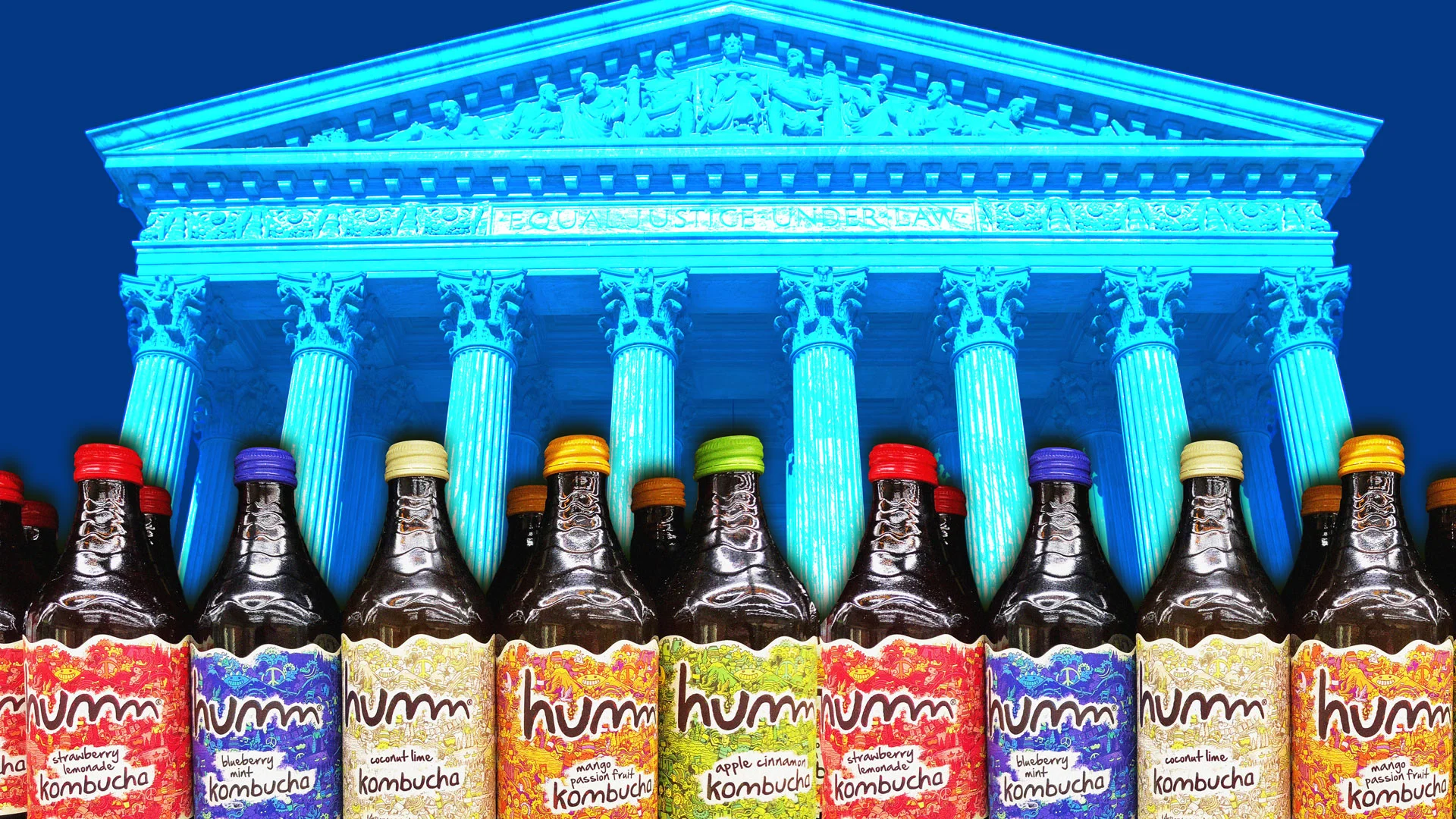
Humm Kombucha, a beverage company, is embroiled in a federal lawsuit accusing it of deceptive marketing practices. The suit claims that the company's "zero sugar" kombucha products are sweetened with allulose syrup, a sweetener that recent legal findings suggest should be counted towards total sugar content.
The lawsuit argues that each 12-ounce can of Humm Probiotic Kombucha Zero Sugar contains approximately 10 grams of allulose. Citing a recent federal court ruling that allulose can be quantified as sugar, the complaint alleges this amount far exceeds the 0.5-gram limit permitted for products marketed as "zero sugar" under federal law, representing a more than 20-fold violation.
Rather than relying on independent lab tests, the lawsuit draws its conclusions from the product's ingredient list and nutrition facts. Each can lists 10 grams of total carbohydrates with no breakdown for fiber, sugar alcohols, protein, or fat, and allulose syrup is the only sweetener identified. The plaintiffs infer that these 10 grams of carbohydrates are derived entirely from the allulose.
The case highlights a growing trend of legal challenges and regulatory scrutiny surrounding the labeling of alternative sweeteners like allulose. Humm Kombucha has not yet publicly responded to the allegations. The outcome could set a precedent for how similar products are labeled nationwide.