ICE to Nearly Double Detention Capacity in Colorado
The U.S. Immigration and Customs Enforcement (ICE) is set to nearly double its detention capacity in Colorado with the addition of a new facility. The expansion aligns with increased arrests and ongoing legal and public opposition.
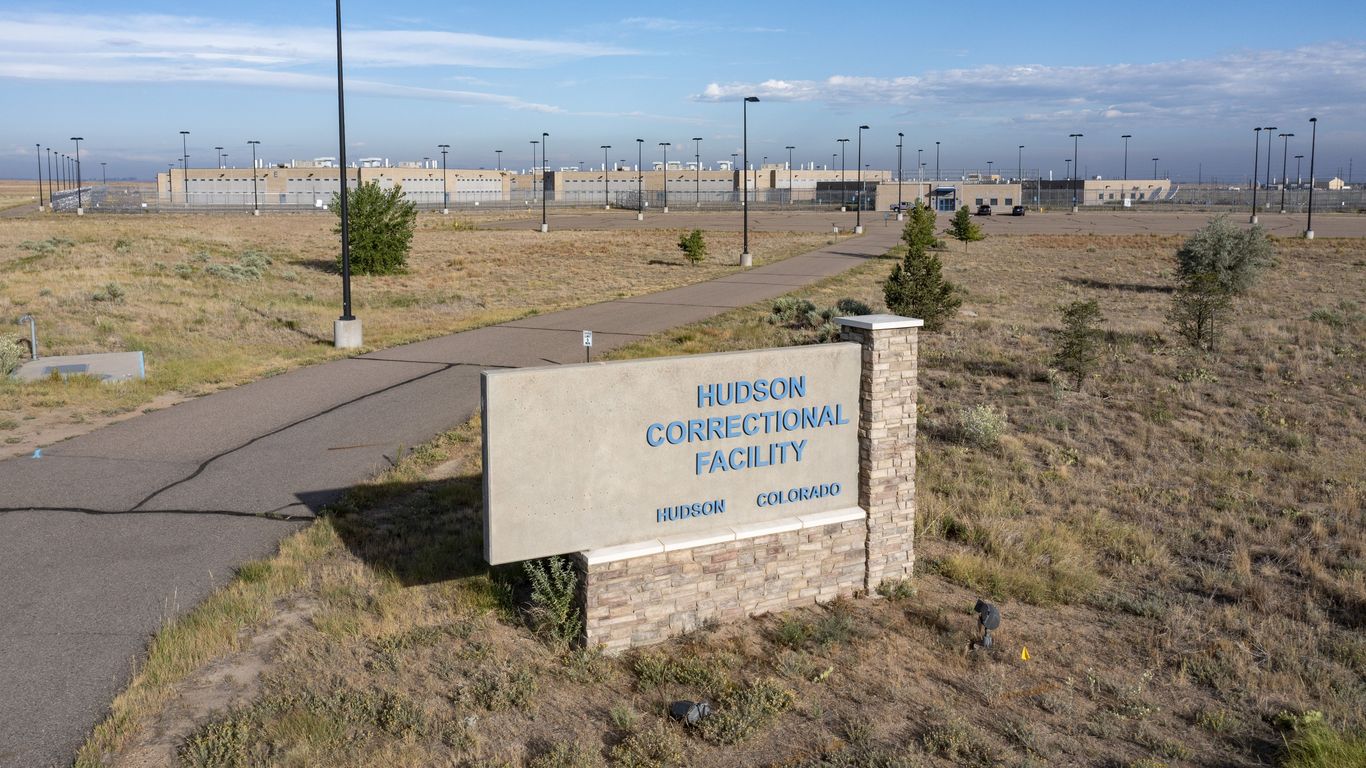
U.S. Immigration and Customs Enforcement (ICE) is significantly expanding its detention operations in Colorado, with capacity poised to nearly double. This expansion includes a new 1,188-bed facility in Hudson, northeast of Denver, adding to the existing 1,500-bed center in Aurora, operated by the GEO Group. The move supports the Trump administration's increased focus on deportations.
The expansion comes as ICE arrests surge in the region, while facing intensified legal challenges and public resistance. ICE states the additional capacity will enhance its ability to enforce immigration priorities, enabled by new federal funding for detention expansion nationwide. In July alone, ICE arrested nearly 500 individuals in Colorado, a high not seen in over a year, according to a Denver Post analysis.
GEO Group's Aurora facility is under scrutiny from state officials. Colorado Attorney General Phil Weiser is suing GEO Group, ICE, and the Department of Homeland Security to gain access to investigate a tuberculosis case, which health officials report has been stalled for over two months. GEO Group disputes the state's characterization, asserting government control over records and access.
Further complicating matters, Colorado's Democratic congressional delegation has demanded answers regarding security and oversight after a GEO Group employee was arrested for allegedly shooting a protester outside the Aurora facility. The new Hudson facility is expected to be completed by the end of 2026, with full operations anticipated in early 2027. However, ICE has not specified when detainees will be housed or when the facility will reach full capacity.