Immowelt Analysis: Heat Pump, Gas, or Oil – Which Heating Method Will Be Cheapest in 2026?
An Immowelt analysis for 2026 indicates that heat pumps are likely to be the most cost-effective heating method. The comparison covers costs for heat pumps, gas, and oil heating.
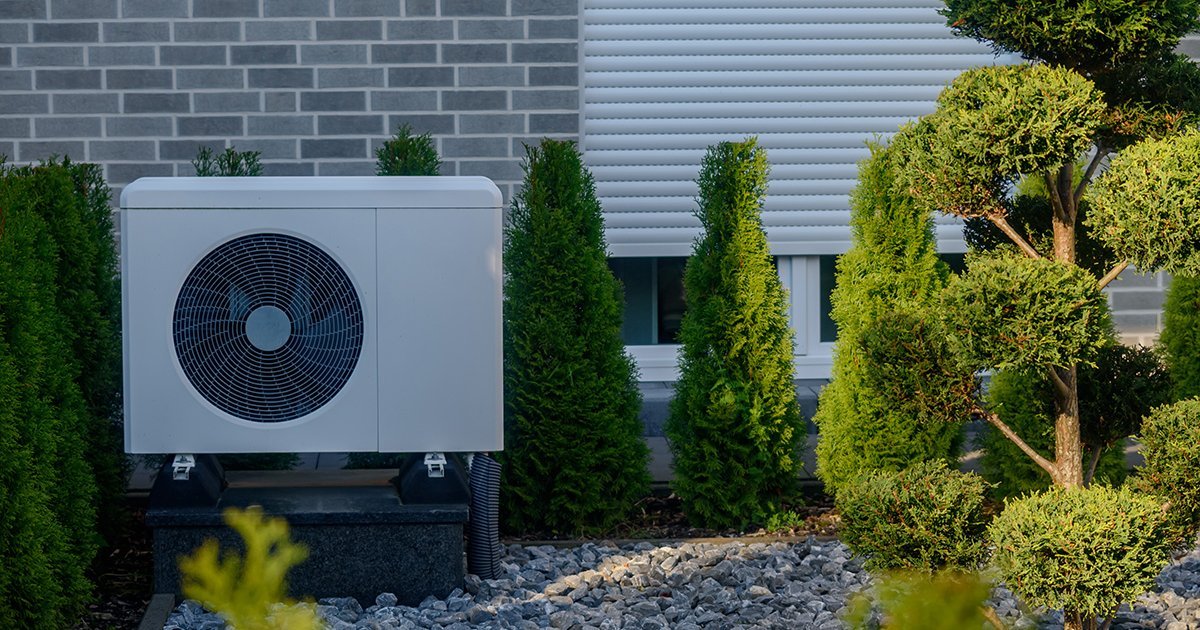
The real estate portal Immowelt has released an analysis comparing the costs of different heating methods in 2026. According to the analysis, heat pumps are likely to offer the most economical way to heat a home, considering the price trends for electricity, gas, and oil, as well as the efficiency of various heating systems.
Immowelt's calculations compared a typical 150-square-meter, partially renovated older house with a heating demand of 21,000 kWh per year. The annual costs for a gas heating system were estimated at approximately €2,690, while the costs for an air-source heat pump would be around €1,680. This translates to an annual saving of over €1,000 for those who opt for a heat pump. The higher initial investment costs for a heat pump are expected to be recouped within approximately 8–12 years.
The efficiency of a heat pump is based on its ability to produce more heat than it consumes in electricity. This efficiency is measured by the annual performance factor (JAZ), which indicates how many kilowatt-hours of heat energy are obtained from one kilowatt-hour of electricity. For instance, a JAZ of 4 means that 75 percent of the energy comes freely from the environment.
Immowelt emphasizes that the operating costs of a heat pump can be influenced by choosing a suitable electricity tariff. Options include standard household electricity with a reduced grid fee, dynamic electricity tariffs, or a separate heat pump electricity tariff. Utilizing one's own solar power system can also significantly reduce costs.
The analysis predicts that the prices of fossil fuels will continue to rise for several reasons. The taxation of CO2 emissions will be tightened, and from 2029 onwards, gas and oil heating systems will be required to use a certain proportion of renewable fuels, which are more expensive. Furthermore, gas network fees are expected to increase as the number of users decreases with the transition to heat pumps.