Independent Grocers Face Squeezed Margins Amid Rising Costs and Consolidation
Independent grocers, already operating on thin margins, are facing increased pressure from rising acquisition costs and industry consolidation, threatening their ability to stock products.
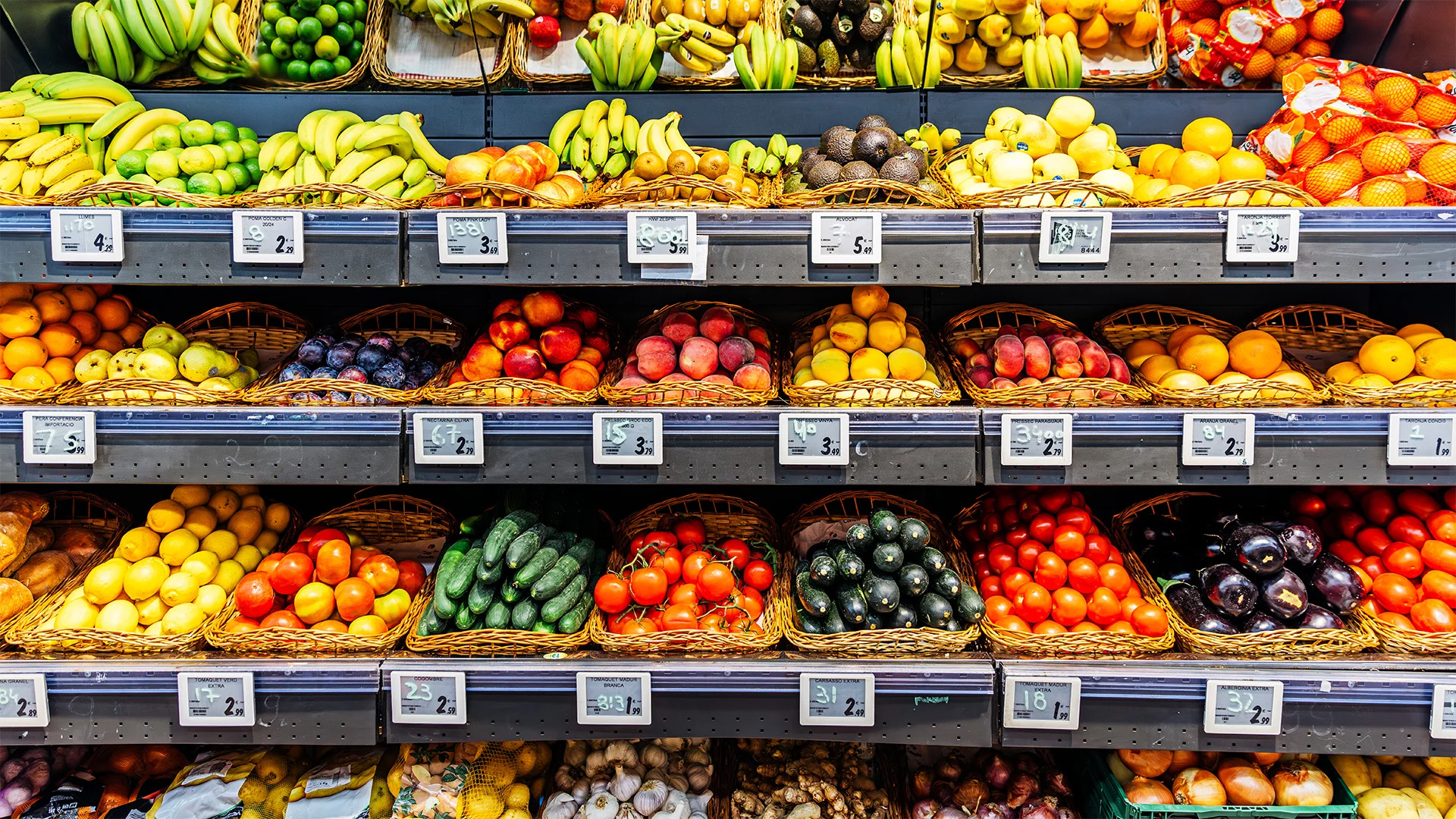
Independent grocery stores are encountering significant challenges in stocking their shelves due to rising costs and the increasing consolidation of the retail sector. Unlike larger chains, these smaller businesses often face higher purchasing expenses or difficulty securing products directly from manufacturers.
This situation frequently compels independent grocers to rely on third-party wholesalers, adding a markup before products even reach consumers. Greg Ferrara, president and CEO of the National Grocers Association, has warned that mounting competitive pressures could eventually limit American grocery shopping to just a handful of national chains.
"The systemic and anti-competitive disadvantage that independent grocers are being put in is wholly unsustainable," stated Ron Knox, a senior researcher at the Institute for Local Self-Reliance. Knox highlighted instances where members of the National Supermarket Association have lost direct access to products from manufacturers like Mondelez, known for brands such as Oreo and Wheat Thins.
These independent grocers must now source these goods through intermediaries, incurring additional costs. This predicament is partly linked to the limited enforcement of the Robinson-Patman Act of 1936, a law intended to prevent discriminatory pricing that harms competition, allowing larger retailers to potentially bypass its provisions.