Info-Tech Research: Quantum Annealers Show Value Now, but Gate-Based Breakthroughs Years Away
Practical applications of quantum computing are limited, with widespread enterprise breakthroughs from gate-based systems still years off, according to Info-Tech Research Group.
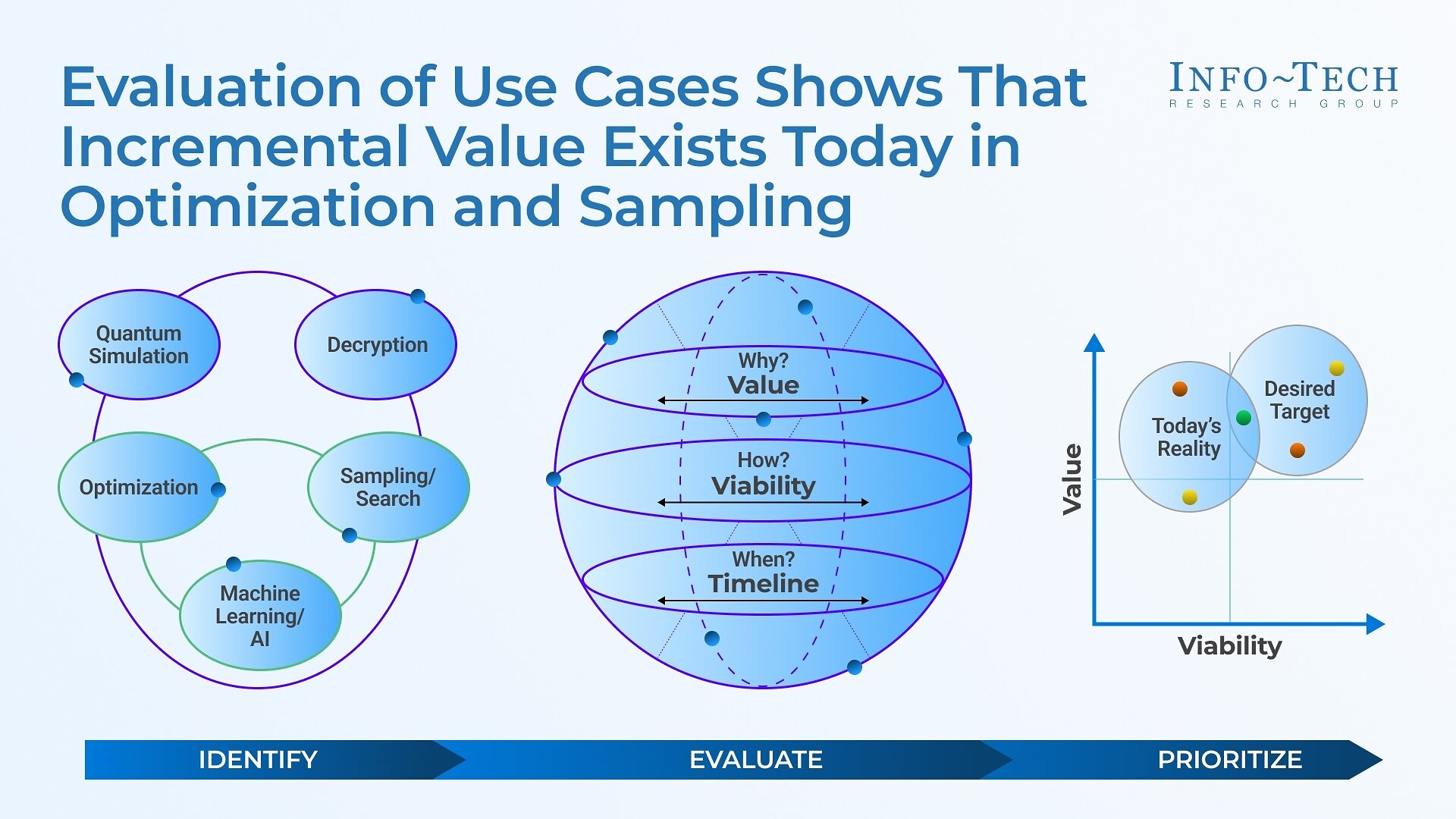
The report highlights that despite growing interest and investment in quantum computing, many organizations struggle to pinpoint where the technology can deliver tangible business value. Current applications are concentrated in scientific exploration and highly complex optimization problems. Widespread enterprise adoption of gate-based quantum computers is not expected until at least 2032-2035, impacting industries such as manufacturing, energy, and logistics.
"Quantum computing is not comparable to AI; it's far more specialized and harder to implement," said Brian Jackson, principal research director at Info-Tech Research Group. "However, for the right types of problems, such as simulating complex molecular interactions in the pharmaceutical or chemical industries, it can be transformative. CIOs should focus on identifying targeted use cases now so they are prepared to act when the technology matures."
Currently, quantum annealing and quantum-inspired algorithms are already delivering value in select scenarios, particularly in solving complex optimization challenges. The report identifies five key problem types where quantum computing shows the most potential: quantum simulation, optimization, sampling and search, AI and machine learning, and decryption. Even within these areas, only a limited subset of use cases is expected to deliver a true advantage in the long term.
Beyond identifying use cases, the report emphasizes organizational readiness. Many companies lack the specialized talent, infrastructure, partnerships, and strategic alignment necessary to act on quantum opportunities, hindering progress toward harnessing quantum computing's potential.</td></tr></table>