Intermediate Bulk Container Market Share Analysis Released
Future Market Insights Global and Consulting Pvt. Ltd. has released an in-depth analysis of the Intermediate Bulk Container (IBC) market, projecting trends and market shares from 2025 to 2035.
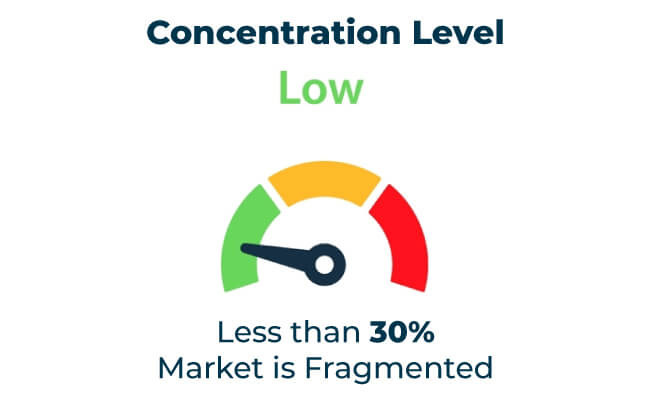
The global Intermediate Bulk Container (IBC) market is poised for significant evolution between 2025 and 2035, driven by a growing demand for safe, cost-effective, and reusable bulk packaging solutions across key industries. Future Market Insights Global and Consulting Pvt. Ltd.'s latest analysis highlights this trend, emphasizing the role of IBCs in industries such as chemicals, pharmaceuticals, food and beverages, and agriculture.
The market expansion is fueled by the increasing need for supply chain efficiency, sustainability mandates, and the secure transportation of liquid and solid materials. Regulatory frameworks governing material safety and global trade also play a crucial role. IBC manufacturers are responding by enhancing container durability and reusability, incorporating smart tracking technologies for real-time visibility, and developing space-saving designs like foldable and stackable options to reduce logistics costs.
Leading companies, including Greif, SCHÜTZ GmbH & Co. KGaA, and Mauser Packaging Solutions, are anticipated to maintain a substantial market presence, potentially holding over 25% of the global share by 2025. These Tier 1 players are recognized for their global footprint and investments in sustainable packaging innovations. The market also benefits from regional suppliers and smaller manufacturers offering competitive pricing and customized solutions.
Emerging technologies such as smart IBCs equipped with IoT and RFID tracking, advancements in high-durability materials like HDPE and stainless steel, and customizable configurations are shaping the future of the IBC market. Sustainability remains a central theme, with a notable shift towards reusable and recyclable packaging, alongside efforts to improve production energy efficiency. Evolving regulatory landscapes in major regions are also influencing market dynamics, focusing on safe transport and waste reduction.