Internet's Undersea Backbone Faces Growing Sabotage Risks
Most of the world's internet traffic travels through undersea cables, which along with other subsea infrastructure, face increasing sabotage risks due to global conflicts, a new book reveals.
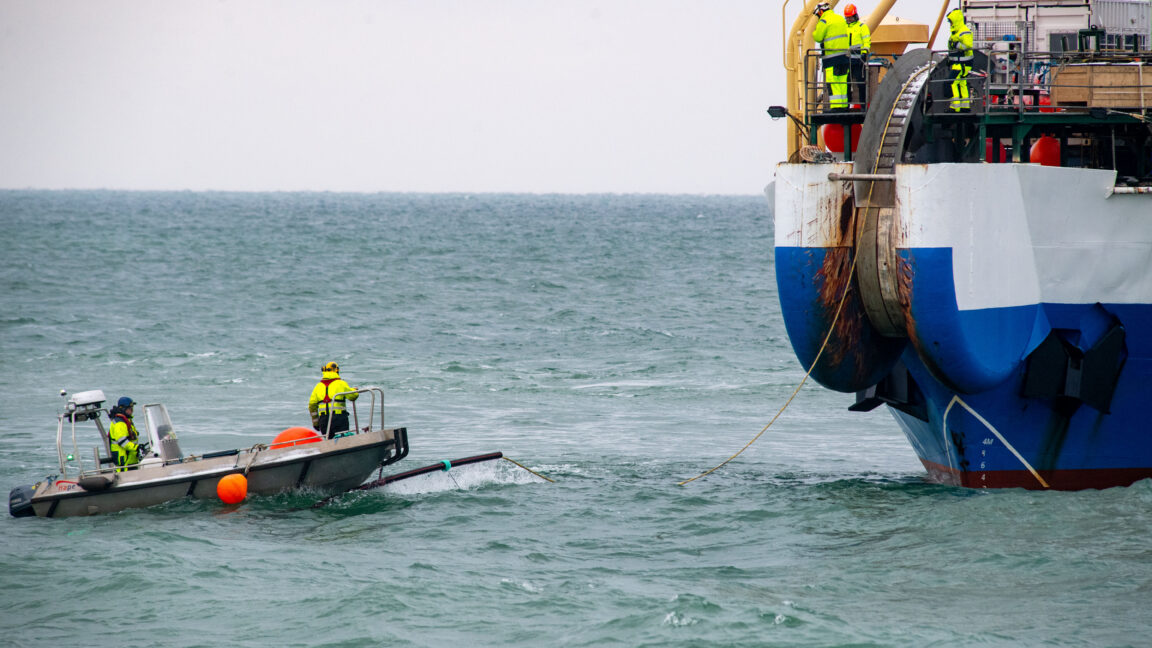
Despite advancements in satellite internet services, the majority of global internet traffic still relies on subsea fiber-optic cables. These vital links, alongside oil and gas pipelines and power cables, are now confronting heightened sabotage risks amid widespread gray-zone warfare and open conflicts.
The escalating dangers to the world's invisible underwater infrastructure are the central theme of Elisabeth Braw's new book, "Undersea War." Braw, a senior fellow at the Atlantic Council, highlights a rise in suspicious incidents where ships' anchors have damaged cables and pipelines across various oceans.
Braw acknowledges that human error in fishing and shipping activities accounts for approximately 60 percent of subsea cable damage. Natural hazards like storms and underwater landslides also contribute to a smaller portion of incidents. Annually, between 150 and 200 cables are damaged, though typically repaired promptly.
The book raises concerns that as geopolitical tensions rise, the strategic importance of subsea infrastructure intensifies, making it a more vulnerable target. This vulnerability could have significant implications for global communication networks and economies.