Iran War Disrupts Daily Lives in Seven Countries
Months after its onset, the war in Iran is impacting daily life across seven countries through ripple effects like rising fuel prices and supply chain disruptions, pushing livelihoods closer to the edge and increasing poverty risk.
The ongoing conflict in Iran, which began months ago, is now significantly disrupting everyday lives in seven different countries. While the war is geographically distant, its consequences have rapidly reverberated through the global economy, beginning with oil markets and leading to increased fuel prices. This, in turn, has affected farms, factories, and household budgets, fundamentally altering people's routines.
According to the United Nations Development Programme (UNDP), supply chain disruptions and escalating costs could push an additional 45 million people into poverty worldwide. This underscores the global economy's reliance on fossil fuels and its vulnerability to major shocks.
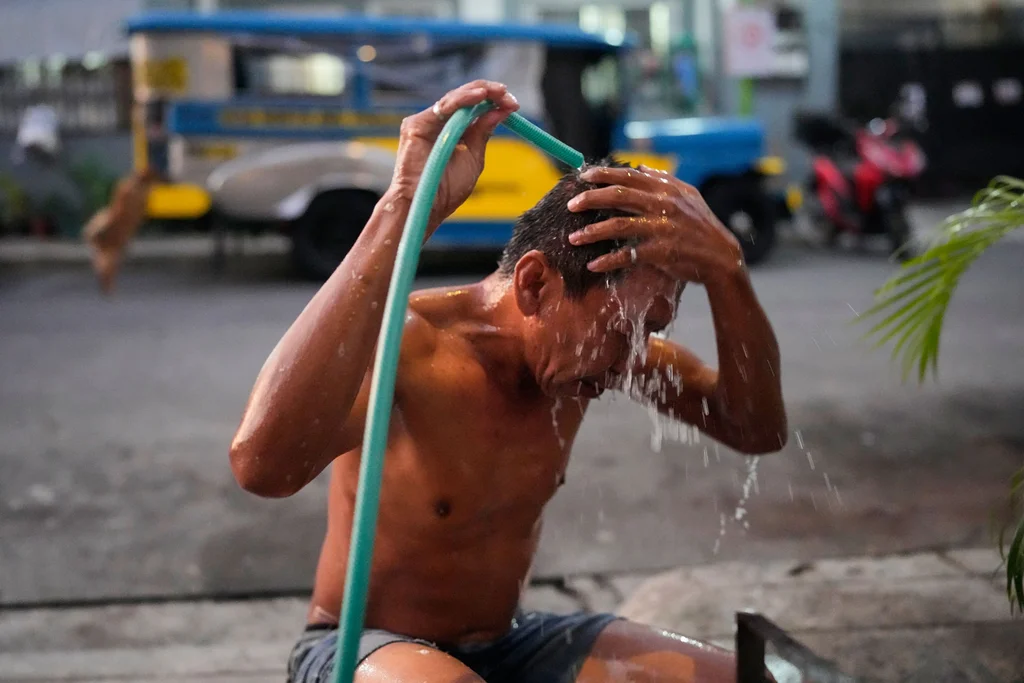
In the Philippines, jeepney driver Edgar Funelas in Manila faces challenges due to surging diesel prices. He resides and sleeps in his worn-out jeep with his daughter, as he can no longer afford fuel. Using laundry soap for his clothes and body, he attempts to stretch his meager resources. Previously earning around $8 a day, he now struggles to make ends meet, and his daughter has had to leave school.
In New York, USA, Marlyn Garcia relies on food pantry supplies to help feed her family amidst higher gasoline prices. After lengthy searches, she finds parking for her car, essential for the family since her partner lost his job. Their vehicle is shared, and every mile must be meticulously planned due to fluctuating fuel costs.
The situation highlights that even when wars occur far away, their economic and social impacts can extend widely, affecting individuals in unexpected ways, complicating the fulfillment of basic needs, and delaying future aspirations.