Islamic Finance Needs to Compete for Mainstream Savers and Investors, London Summit Hears
Speakers at the 5th AlBaraka Summit in London called for clearer products, greater transparency, and evidence of benefits to communities within the Islamic finance sector.
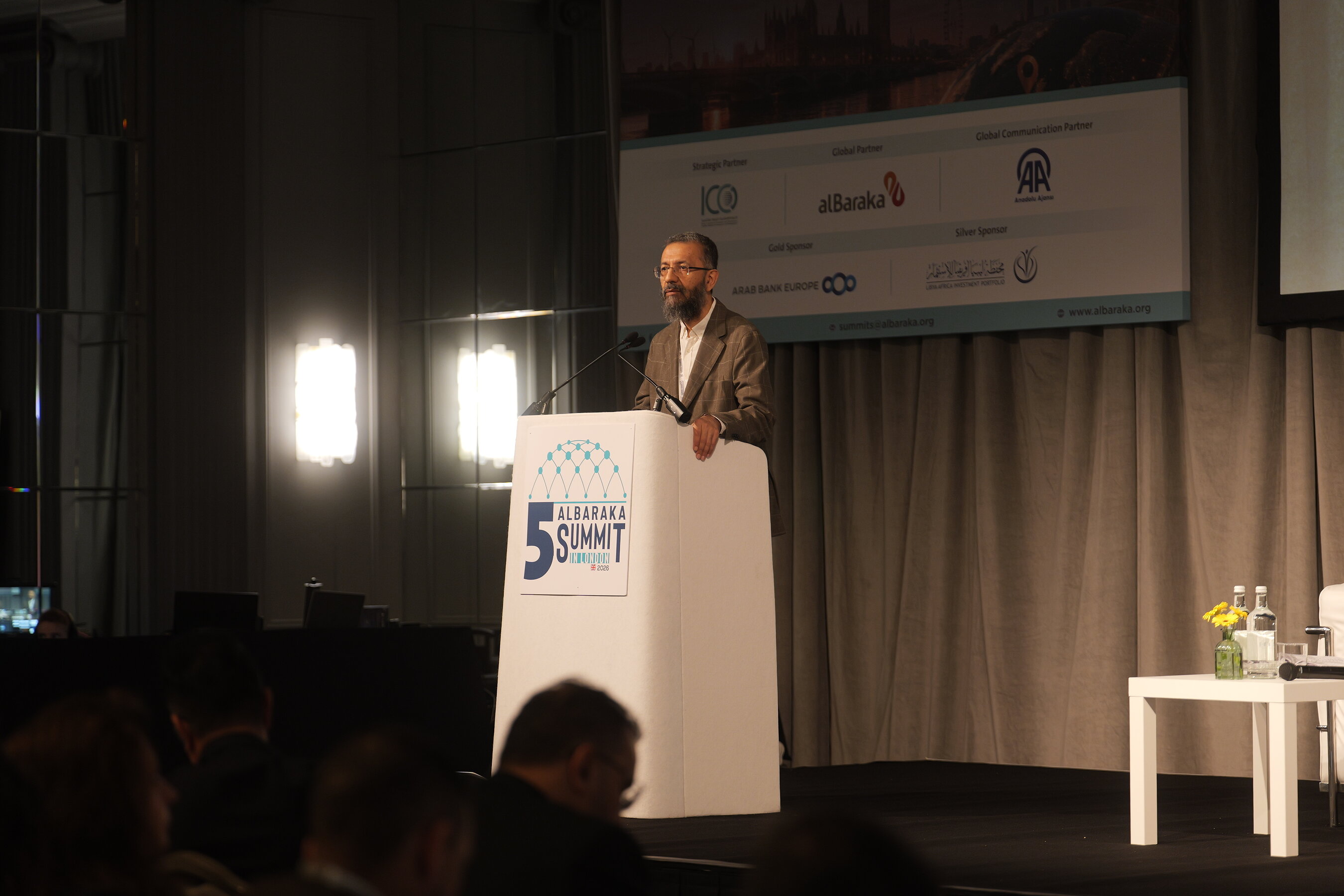
Islamic finance must win over ordinary UK savers and investors by competing on service, value, and trust, speakers told the 5th AlBaraka Summit in London. The industry also needs to demonstrate who benefits from the money it manages.
The summit's opening keynote was delivered by H.E. Yousef Hassan Khalawi, Secretary General of AlBaraka Forum for Islamic Economy. He emphasized the importance of fairness and social impact principles in the growth of the Islamic economy, including alongside new wealth sources like AI. Discussions throughout the day focused on making ethical principles visible to customers and communities, from improved banking services to investments supporting jobs and businesses.
H.E. Mufti Muhammad Taqi Usmani, a distinguished scholar, explained that financial systems must consider interest (riba) and excessive speculation (gharar), with all wealth creation backed by real economic assets. He advocated for profit-and-loss sharing models and the adaptation of Islamic contracts like Murabahah and instruments such as Sukuk to modern finance needs.
Shakeel Ahmed Yousuf Mohamed, Minister of Housing and Lands in Mauritius, highlighted the importance of good governance, robust regulatory frameworks, and accountability in upholding the ethical foundations of the Islamic economy and strengthening public trust. "Good intentions are not enough – ethics need systems and trust must be engineered," he stated.
The summit discussed aligning Islamic finance more closely with UK consumer regulations emphasizing fair value, customer understanding, and support. The sector should make these benefits clearer when comparing products with conventional finance. Simultaneously, institutions were challenged to provide stronger evidence of their financing outcomes.