John Wilson's Documentary Explores Concrete's Invisible Role
John Wilson's new documentary, 'The History of Concrete,' delves into the ubiquitous yet crucial presence of concrete in our world, using it as a jumping-off point for broader reflections.
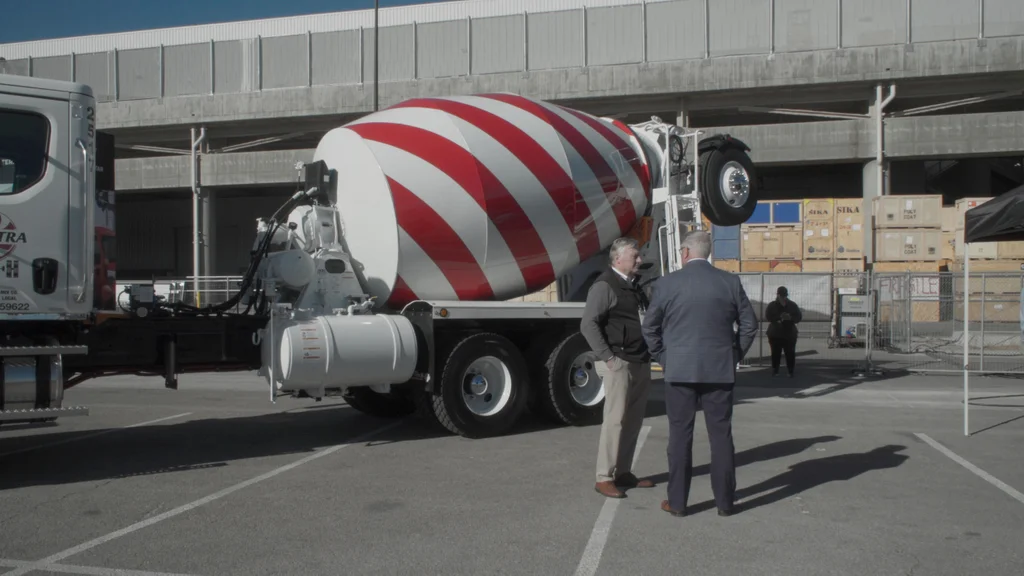
John Wilson's new documentary, 'The History of Concrete,' explores the often-overlooked significance of concrete in shaping modern life. While not directly about the material itself, the film uses concrete as a catalyst to examine how pervasive, yet invisible, structures influence our existence.
True to Wilson's signature style, the film blends humor with existential unease, featuring interviews with individuals engaged in peculiar professions, such as a tattoo removalist for corpses and a public pool waste management official. Concrete's presence is often hinted at through tangential narratives, emphasizing its omnipresence and the tendency to disregard it.
The documentary highlights that concrete is the world's most consumed material, produced in vast quantities annually. However, it also acknowledges concrete's significant role in the climate crisis, as cement production accounts for a substantial portion of global carbon emissions. Paradoxically, concrete is also essential for critical infrastructure, like seawalls, necessary to combat climate change impacts.
The film raises concerns that the constant, unexamined presence of concrete, coupled with neglect, could lead to significant failures. Interviews with figures like 'Gridlock Sam' Schwartz, a former NYC traffic commissioner, reveal the deteriorating state of vital infrastructure and the urgent need for maintenance. The American Society of Civil Engineers frequently rates the nation's infrastructure as 'poor' and 'at risk' regarding structural integrity.
'The History of Concrete' aims to foster awareness of concrete's multifaceted impact. Wilson's distinctive approach may encourage viewers to pay closer attention to this ubiquitous material, which demands consideration for both its indispensable benefits and its considerable environmental and structural challenges.