Juicer Comparison: From Citrus Presses to Slow Juicers
The range of juicers available in stores varies from simple manual presses to electric appliances. These include citrus presses, centrifugal juicers, slow juicers, and steam juicers, with the best choice depending on the type of fruit and vegetables to be processed.
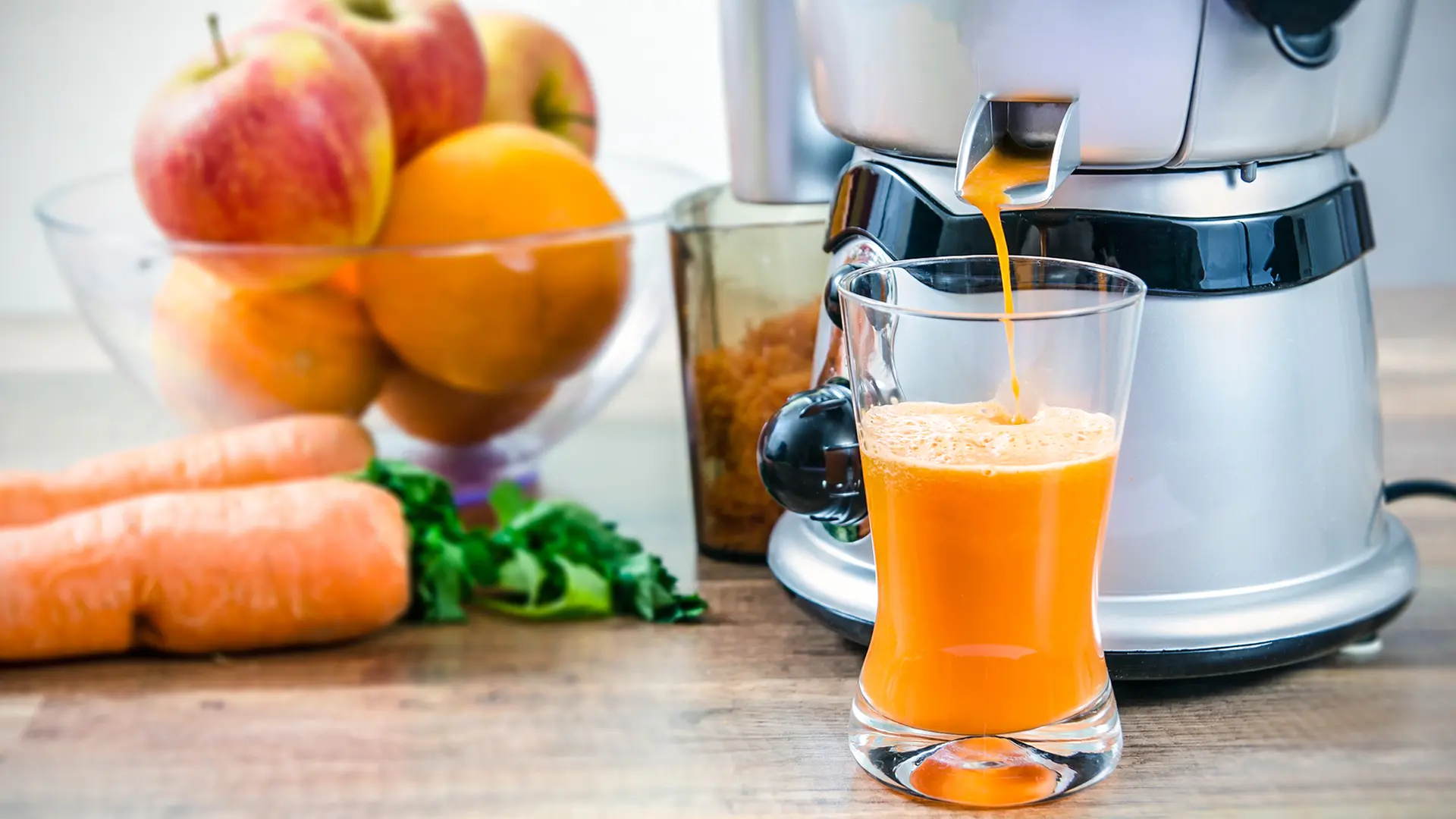
The retail market offers a wide variety of juicers, ranging from simple manual presses to electrically powered devices. The best choice for consumers depends primarily on the types of fruits and vegetables they intend to process. The available categories include citrus presses, centrifugal juicers, slow juicers, and steam juicers.
Citrus presses are designed specifically for citrus fruits and are available in manual and electric versions. They are easy to operate and relatively inexpensive, but limited to citrus only. Centrifugal juicers process fruits and vegetables by shredding them at high speeds, making them versatile and fast. However, they can be challenging to clean and are less effective with starchy or fibrous ingredients.
Slow juicers, also known as Masticating juicers, use a slow-rotating auger to extract juice. This method is considered gentler, potentially preserving more nutrients, and is particularly suitable for leafy greens. Steam juicers work by using steam to heat fruits and release their juice, requiring minimal preparation but potentially reducing the nutritional content due to heat.
Regarding health claims, experts suggest that the idea of slow juicers producing a significantly healthier juice is an oversimplification. The fiber content, for instance, is more dependent on the fineness of the sieve than the juicing method itself. Adding a splash of lemon juice can help prevent oxidation, preserving color and nutrients due to its ascorbic acid content.
Consumer safety is paramount. Electrical appliances sold within the EU must bear the CE marking, indicating compliance with EU directives, though it's not a quality seal. The VDE association cautions against products imported through online channels that may not meet European safety standards. Checking for a manufacturer's contact information with a local address on the device's rating plate is also advisable.