July 2026 Full Moon: Meaning Behind the 'Buck Moon' and Best Viewing Times
The July full moon, known as the 'Buck Moon,' will peak on Wednesday, July 29, 2026. The moon's name derives from the time when male deer typically grow their new antlers.
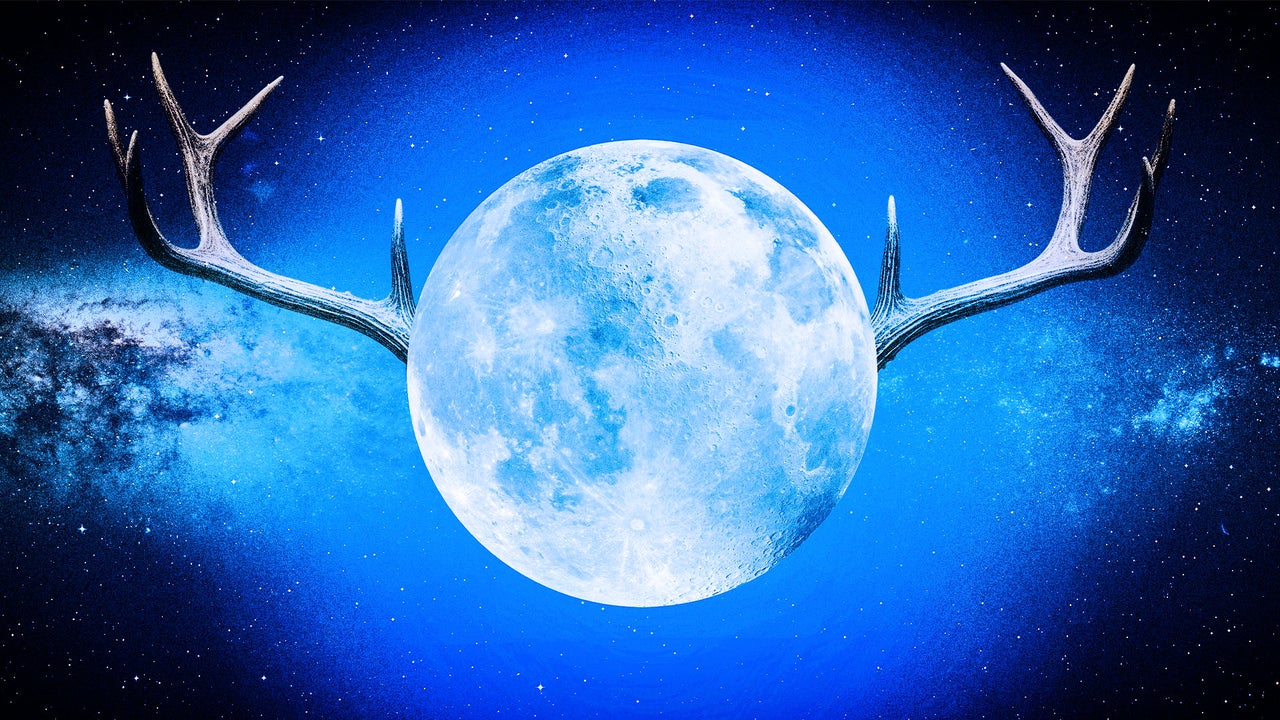
The July full moon, often called the 'Buck Moon,' is set to reach its peak illumination on Wednesday, July 29, 2026, at 10:36 a.m. ET. This celestial event provides an opportunity for public observation, occurring nearly six decades after the Apollo 11 mission first landed humans on the lunar surface.
The name 'Buck Moon' originates from traditional Native American and agrarian customs that name full moons based on seasonal occurrences. July's full moon is designated as such because it coincides with the period when male deer, or bucks, typically grow their new antlers. This naming convention was popularized by "The Old Farmer's Almanac," which has compiled Native American full moon names since the 1930s.
Alternative names highlight other natural phenomena. The Tlingit people of the Pacific Northwest refer to July's full moon as the 'Salmon Moon,' marking the return of salmon runs, a significant time for fishing. Beyond the moon itself, late July is also a period for viewing meteor showers, including the Southern Delta Aquariids and Alpha Capricornids, though the bright moonlight may reduce their visibility.
Additional celestial sights may include the planet Mercury, nearing its peak visibility. Observers in certain regions, particularly the Midwest and Northeast of the U.S., might note an orange hue to the moon, attributed to smoke from Canadian wildfires. For those with optical aid, remnants of the Apollo landing sites might be discernible on the moon's surface.
From an astrological perspective, the moon will be in Aquarius, a sign associated with self-expression and social connection. While this is a matter of belief rather than science, some consider this a time for making wishes. The moon will appear full for approximately two nights, offering multiple viewing opportunities. NASA advises seeking dark, open locations away from light pollution for the best observation experience.