Knowledge, Not Fossil Fuels, Will Drive Europe's Competitiveness
Experts from Chalmers University of Technology emphasize that Europe's future industrial competitiveness will rely on knowledge and electrification, not fossil fuels. Close collaboration between research and industry is crucial for this transition.
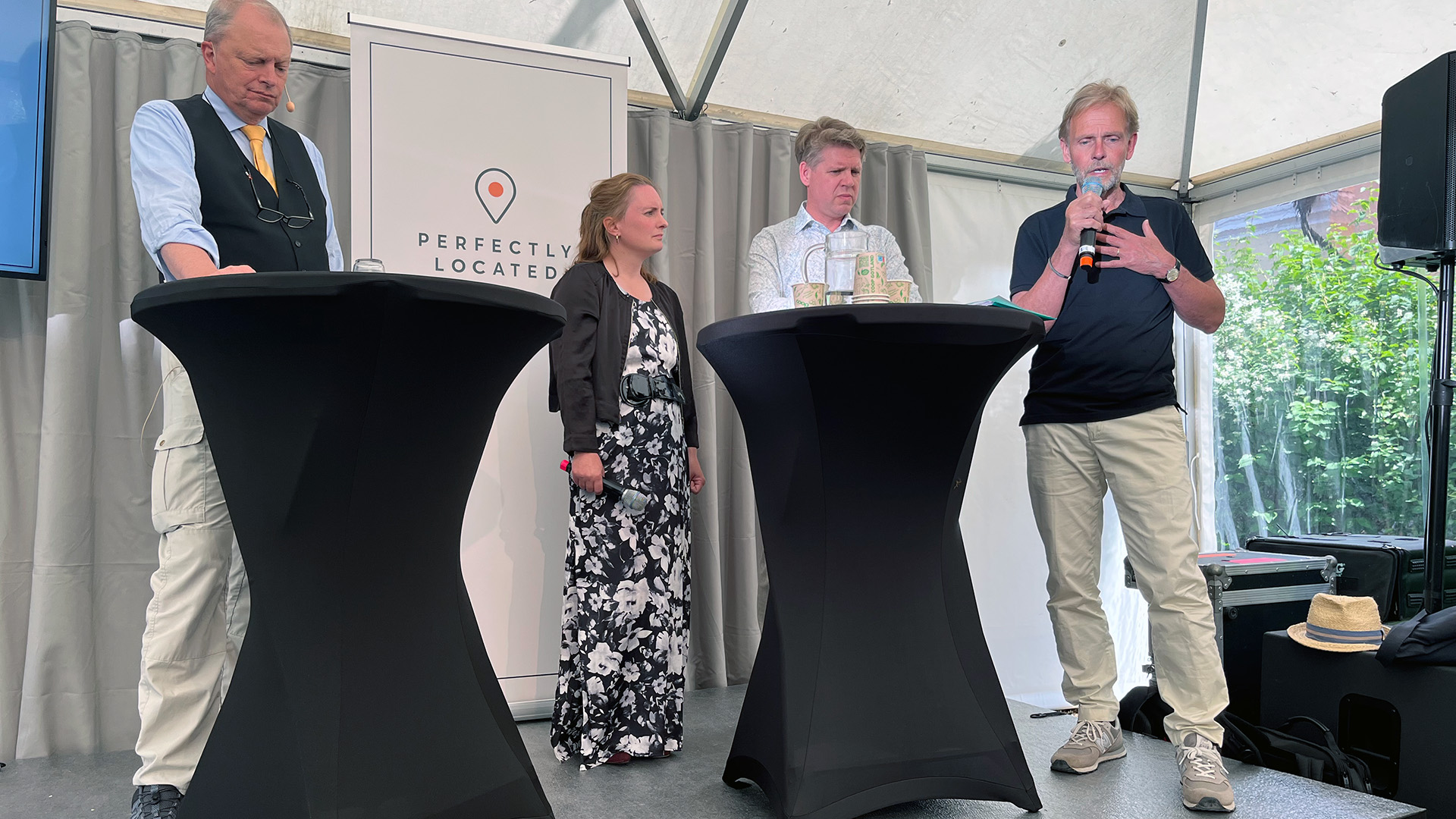
During discussions at Sweden's Almedalen Week, experts from Chalmers University of Technology and industry leaders concluded that Europe's future industrial competitiveness hinges on knowledge and electrification, rather than fossil fuels. The transition requires enhanced collaboration between research and industry.
Sweden possesses strong conditions for success, including fossil-free electricity, a competitive industrial base, and world-class research. Mikael Nordlander, Head of Industrial Partnerships at Vattenfall, stated, "We are not going to compete with China on cost. If we cannot compete on volume, we have to compete on expertise."
The electrification of heavy-duty transport presents a significant challenge. Anders Berger, Director of Public Affairs at Volvo Group, argues that the availability of charging infrastructure during truck downtime is more critical than charging duration. "The real challenge is not whether there is enough time to charge, but whether charging infrastructure is available where trucks are already standing still," Berger explained.
Researchers at Chalmers, such as Maria Taljegård, advocate for a holistic system perspective. Electric vehicles should be viewed not only as electricity consumers but also as assets supporting the power grid through smart charging and future Vehicle-to-Grid (V2G) technologies. The value of long-term research was highlighted through an example of how earlier Chalmers studies on battery-electric buses have now become a reality.
According to Mikael Nordlander, the primary challenge is no longer technological but lies in establishing viable business models and market conditions. While Sweden has lost some momentum, countries like the Netherlands have advanced due to more effective policy instruments. China's approach demonstrates the significance of long-term government support in cultivating markets.