Krakatau eruption in 1883 shaped science and history
The massive Krakatau volcanic eruption in 1883 was the first catastrophe that the world could follow in near real-time, thanks to the telegraph network.
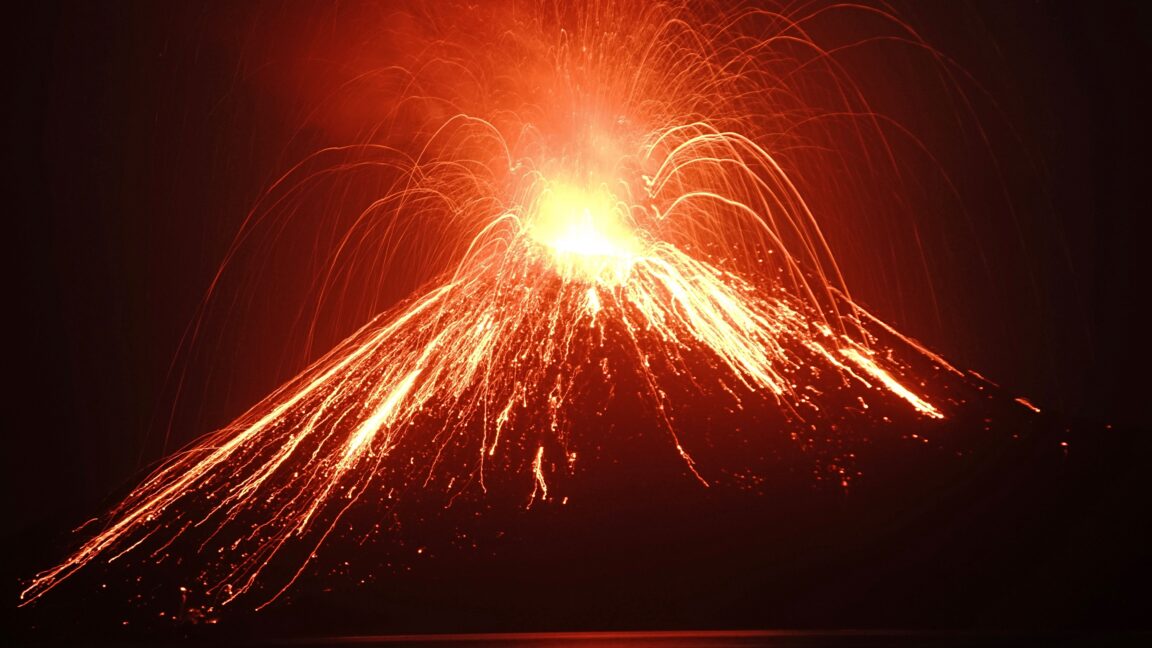
The massive Krakatau volcanic eruption in August 1883 was the first major disaster that the world could follow in near real-time.
The first telegrams reaching Singapore reported "terrific detonations from Krakatau" and "stones falling," along with "villages near Anjer washed away." Soon, messages described destroyed bridges, smashed boats, and "disappeared" lighthouses. Within days, the scale of the natural disaster was clear: "Where Mount Krakatau once stood, the sea now plays."
More than 36,000 people perished, the majority in devastating tsunamis that raced outward from the colossal explosion. The eruption ejected vast amounts of ash and dust into the atmosphere, leading to global effects.
Thanks to the Victorian-era telegraph network, people worldwide could document, for the first time, the immediate and long-term effects of a catastrophic volcanic eruption in near real-time. The knowledge gathered over the following years laid the foundation for the modern science of volcanology and demonstrated how major eruptions can influence climate, agriculture, and even human history.