Lake Name Controversy Boosts Interest in Google Maps Alternatives
A controversy over the naming of Lake Ontario on digital maps has driven increased interest in alternatives to Google Maps. User backlash against Google and Apple's decisions to adopt the new name has led to a surge in downloads for other mapping services.
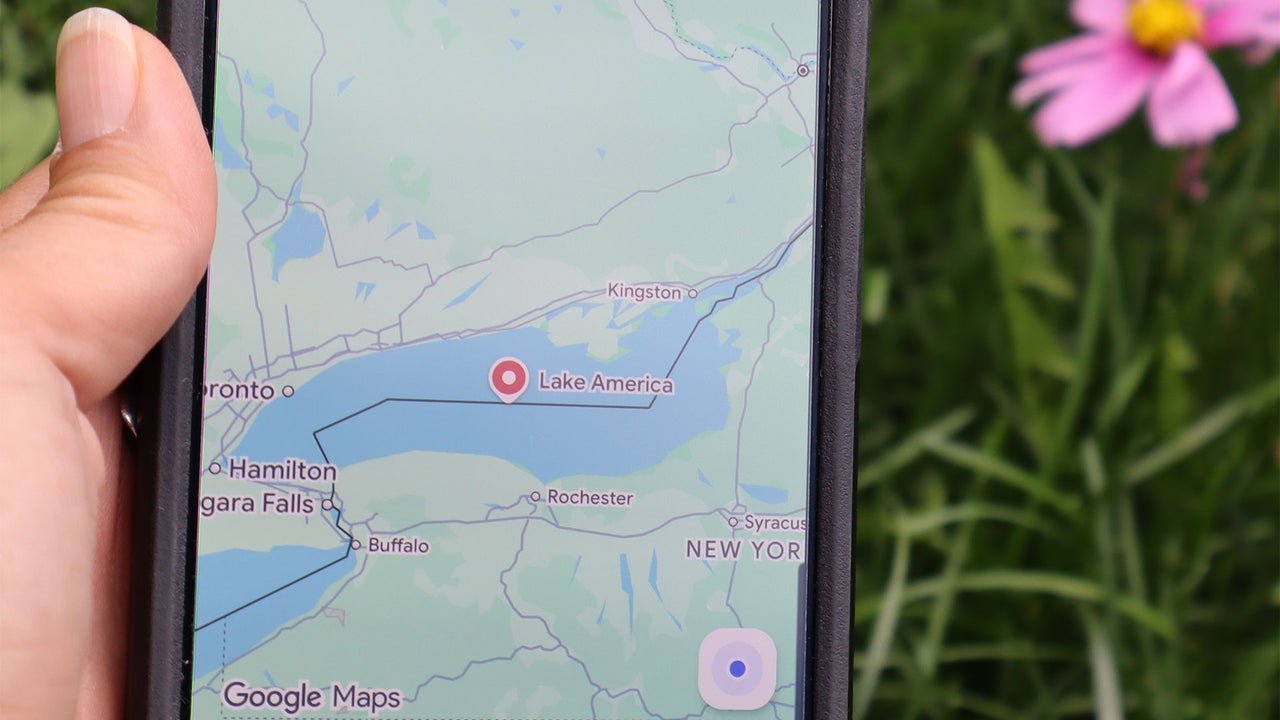
A dispute over the renaming of Lake Ontario on digital maps has spurred greater interest in mapping services beyond those offered by major tech companies. Following President Donald Trump's order to rename the body of water "Lake America," tech giants Google and Apple updated their map applications accordingly, sparking backlash from some users.
This controversy, coupled with ongoing concerns about digital privacy, has fueled a search for map services not affiliated with "Big Tech." While Google Maps holds a dominant market share of approximately 80%, users are actively seeking alternatives.
MapQuest, a service with a three-decade history, saw a significant increase in app downloads in early September. Although currently restricted to the U.S. and Canada, the company is exploring options for broader international availability due to user requests.
TomTom, known for its GPS devices, also provides a free navigation app for drivers. HERE WeGo, originally developed by Nokia and now owned by a consortium of German automakers, offers comprehensive routing options for various transport modes and downloadable offline maps, beneficial in areas with limited connectivity.
European-based applications like HERE WeGo, Organic Maps, and OSMand adhere to strict privacy regulations such as the EU's GDPR, focusing on licensing models rather than user data collection for advertising. Citymapper specializes in urban public transit planning, and Waze, though owned by Google, utilizes crowdsourced real-time traffic data from its users.