Las Vegas Beekeepers Urge Homeowners to Check for Hidden Bee Colonies Before Decorating
Las Vegas beekeepers are advising homeowners to inspect outdoor spaces for hidden honeybee colonies before putting up Halloween decorations. Colonies can establish themselves in cavities like wall voids, eaves, and storage areas.
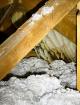
Las Vegas beekeepers are urging homeowners to inspect outdoor spaces for hidden honeybee colonies before beginning their Halloween decorating. These colonies can establish themselves in common residential cavities, including wall voids, rooflines, sheds, and dense vegetation, areas often disturbed during seasonal decorating.
Africanized honeybees are prevalent in the Las Vegas area and can react defensively when their colonies are disturbed. By fall, a colony that has grown through the warmer months can be well established and contain a large number of bees. Such colonies are often found in quiet, undisturbed locations such as inside wall cavities, under eaves, within block walls, irrigation boxes, sheds, or thick bushes.
"A colony that has been building since spring can be well established by the time people start pulling out their Halloween decorations," stated Betsy Lewis, owner of Vegas Bees. "Someone reaches into an old box or goes into their attic and discovers there are thousands of bees in there."
Before decorating, Vegas Bees recommends homeowners take a few minutes to examine eaves, sheds, storage boxes, wall openings, and dense bushes. A consistent stream of bees entering and exiting the same opening may indicate an established colony. Homeowners should keep children and pets away from any suspected colony and avoid disturbing the area. Power tools or equipment that create significant vibration or noise should not be used near an active colony.
If a honeybee colony is discovered, homeowners should maintain a safe distance and contact a qualified bee removal professional rather than attempting to disturb the colony themselves. It is important to differentiate honeybees, which are fuzzy and golden-brown, from wasps and yellow jackets, which typically have smoother bodies and more prominent yellow or black markings.