Lawsuits Challenge FDA Oversight of Spinal Cord Stimulator Devices
Wisner Baum has filed lawsuits alleging spinal cord stimulators caused serious injuries and failed to provide promised relief. The cases raise concerns about device modifications without new clinical testing.
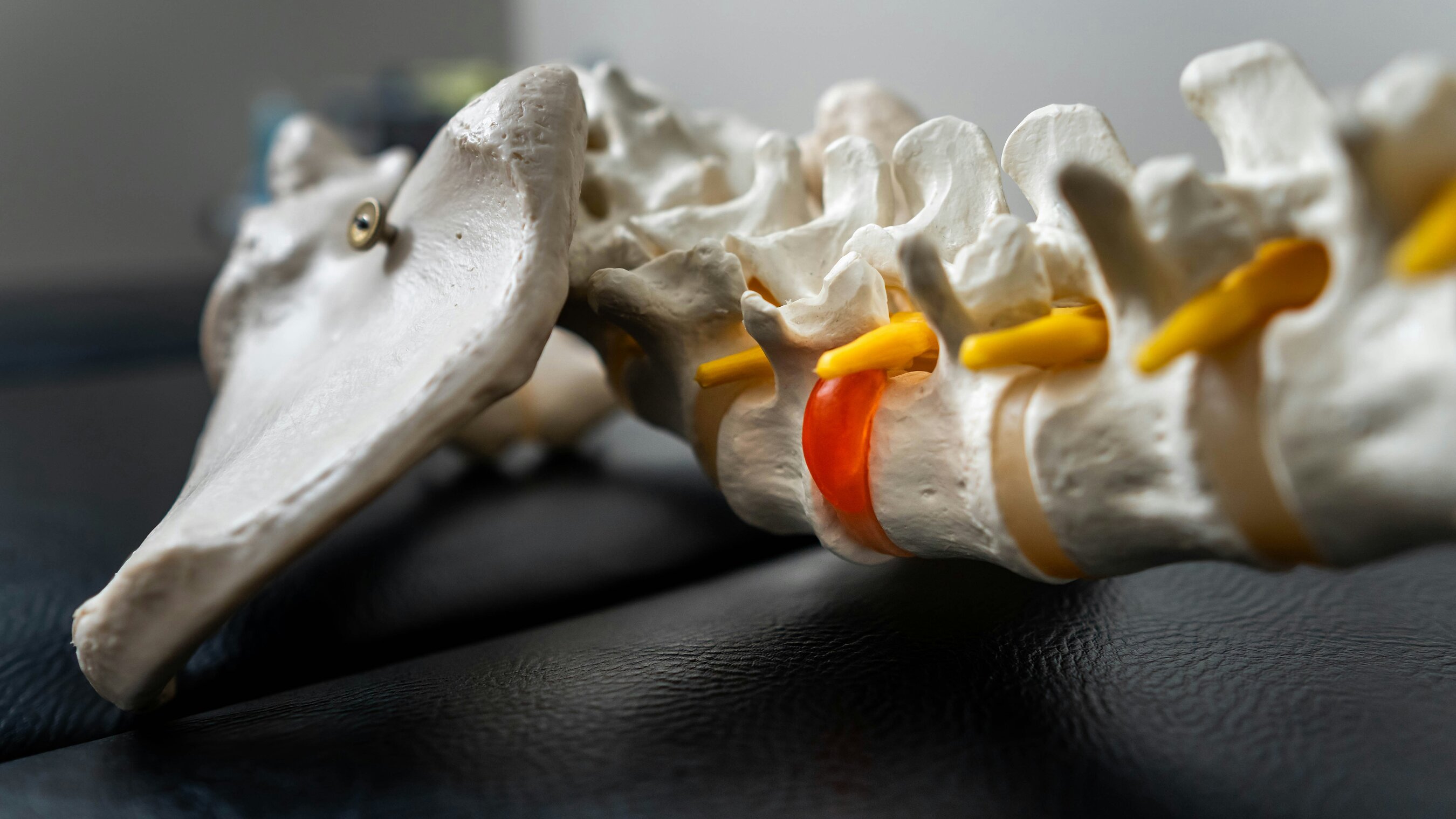
National law firm Wisner Baum LLP has filed lawsuits on behalf of patients alleging that spinal cord stimulator (SCS) devices, marketed for chronic pain, have caused severe harm. Allegations include electric shocks, worsening pain, neurological damage, and the need for corrective surgeries.
The lawsuits, filed in state and federal courts, target manufacturers Abbott Laboratories, Boston Scientific, Medtronic, and Nevro. Beyond individual claims, the cases question the regulatory process for high-risk medical devices that are repeatedly modified. A core issue is a device system originally approved by the FDA in 2001.
"The lawsuits allege that the regulatory system is not keeping pace with these devices," said Behram Parekh, an attorney at Wisner Baum. He stated that the FDA lacks the resources to fully examine every device modification, while patients receive implants that may lack sufficient evidence of effectiveness and cause serious harm.
Complaints describe patients experiencing painful electric shocks, loss of therapeutic effect, device malfunctions, infections, and requiring multiple surgeries. Many allege they received little to no benefit or experienced new and worsening symptoms, contrary to promises of long-term pain relief. Attorneys emphasize that repeated modifications without new clinical trials raise questions about current safety and efficacy standards.
Lawyers assert the cases reveal a consistent pattern of device failure or complications leading to corrective surgeries or removal. They argue these are not isolated incidents but point to a broader issue with the device approval and monitoring process, particularly concerning devices that have undergone hundreds of changes since their initial approval.