Legacy European automakers leverage design heritage to counter competition
Renault and Citroën are modernizing iconic silhouettes to differentiate themselves from competitors in an increasingly uniform electric vehicle market.
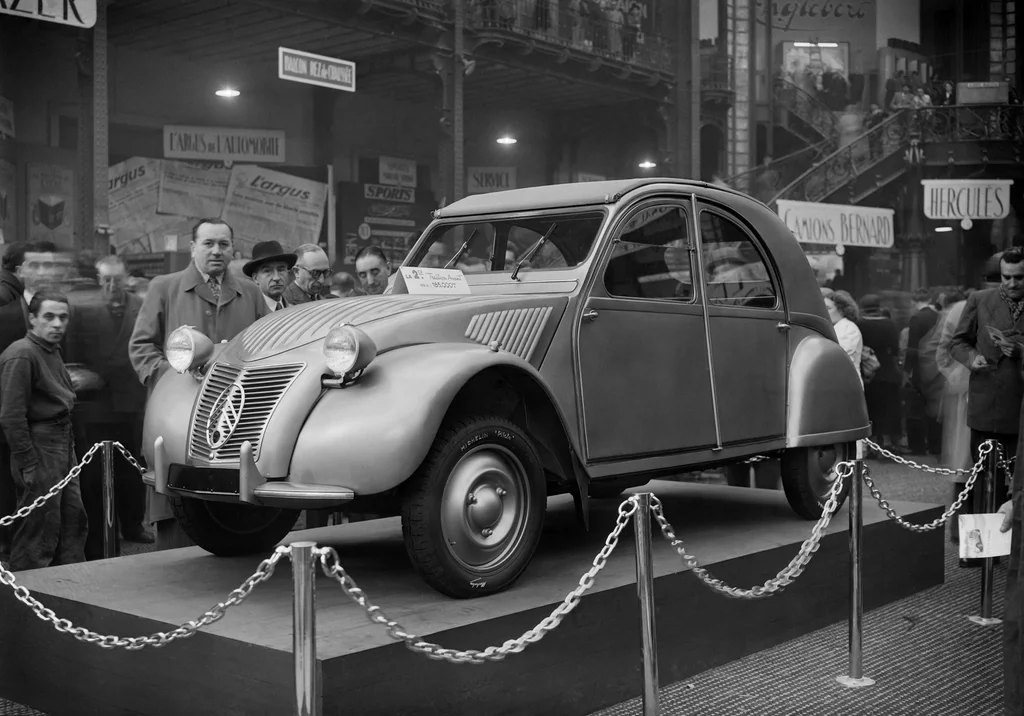
Facing a market dominated by standardized vehicle design, legacy manufacturers like Renault and Citroën are leaning into their archives to regain consumer interest. At recent industry events, companies showcased electric reinterpretations of historical models, such as Renault’s R8 Gordini and Citroën’s 2 CV, aiming to build emotional resonance that new market entrants often lack.
Analysts suggest that brand heritage serves as a significant differentiator against newer rivals, particularly Chinese manufacturers and digital-first brands. Renault’s R5 E-Tech has already demonstrated market success, establishing itself as a top-selling small electric vehicle in Europe. Meanwhile, Citroën is developing a production model inspired by the 2 CV, targeting the affordable electric segment for 2028.
Renault design executive Alexandre Malval stated that the goal is not merely nostalgia, but the functional adaptation of historical design for modern requirements. As the automotive industry shifts toward electrification, companies are betting that consumer attachment to familiar aesthetic identities will prove to be a more durable asset than commodity-based design.