LEGO Group Embraces Plastics Technology After WWII
Following struggles sourcing quality wood, the LEGO Group invested in plastic injection molding machinery in the late 1940s. This marked a transition from wood to plastic, leading to the development of early building bricks.
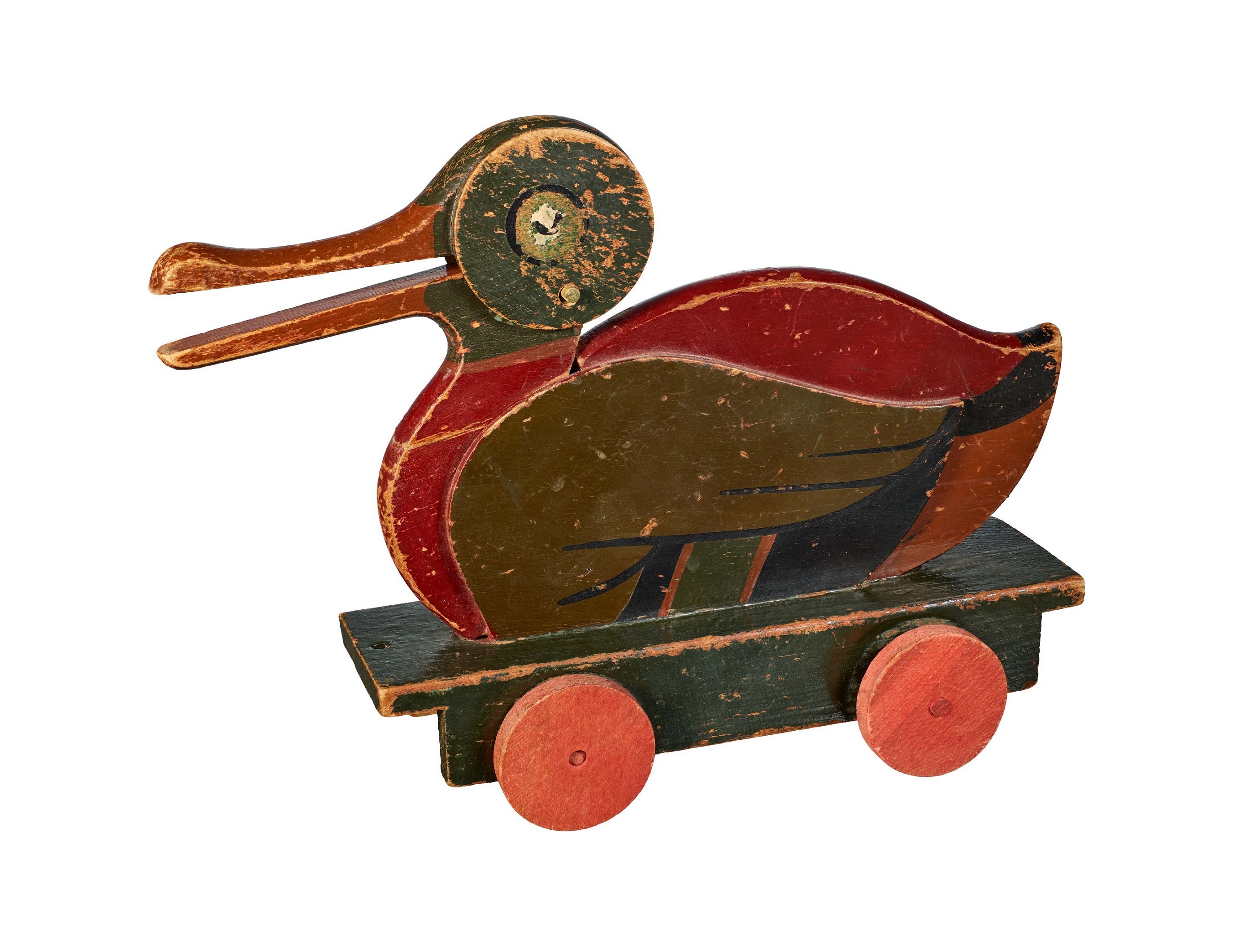
By the late 1940s, Ole Kirk Kristiansen, founder of The LEGO Group, faced increasing difficulty in sourcing quality beechwood. Simultaneously, post-war industrial advancements offered new possibilities with modern plastics. Kristiansen committed to this new trend by investing in an expensive plastic injection-molding machine.
The company acquired its first British molding machine in December 1947. Despite challenges in obtaining molding tools and raw materials, coupled with the need for extensive experimentation, The LEGO Group began production using cellulose acetate as its primary material, entering the plastic age. In 1949, the company marketed its first plastic bricks under the name Automatic Binding Bricks, the precursors to today's famous LEGO bricks.
Initially, Kristiansen's sons expressed skepticism about plastic production, favoring wood. However, Ole Kirk Kristiansen recognized the global potential of these new bricks. By 1951, the name was supplemented with the Danish LEGO Mursten (LEGO Bricks), and in 1953, the LEGO name was molded into all bricks.
In the 1950s, Godtfred Kirk Christiansen, increasingly taking over company responsibilities, began exploring international markets. The first step towards global expansion was a licensing agreement with a Norwegian plastics manufacturer in 1953. This arrangement concluded in 1963, when Norway lifted import restrictions, and The LEGO Group established its own sales company in the country.