Lithium-ion battery manufacturing emissions projected to rise tenfold by 2050
University of Melbourne researchers warn that as reliance on battery technology grows, manufacturing emissions could surge significantly without intervention.
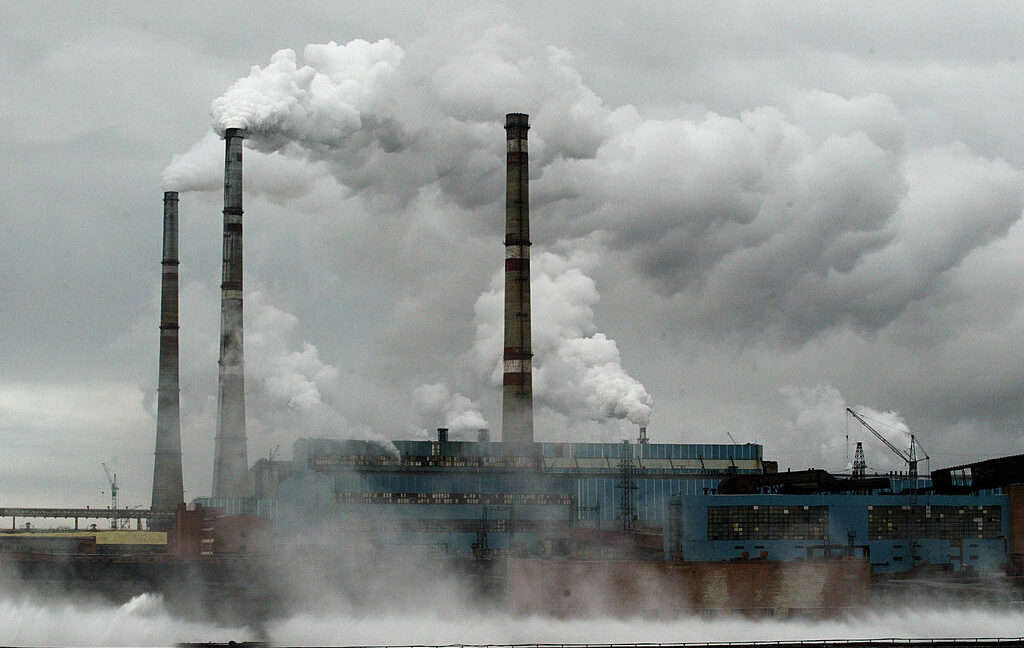
A study led by Haiwei Zhou at the University of Melbourne has quantified the environmental impact of lithium-ion battery production. While batteries are essential for decarbonizing transport and heating, the research indicates that the manufacturing process itself creates a carbon debt that is currently growing.
Currently, battery production accounts for 0.18 percent of global annual greenhouse gas emissions. However, models suggest that this figure could increase by a factor of ten or more by 2050 as electric vehicle and grid storage adoption accelerates. The researchers argue that the energy transition must account for these upstream emissions to be truly effective.
To mitigate this trend, the study proposes three strategic shifts: adopting less energy-intensive mining and refining processes, improving manufacturing efficiency, and scaling up recycling capabilities. Recycling is identified as a critical pathway to reduce the demand for raw material extraction, which is significantly more energy-intensive than re-processing existing battery materials.