Lithuania Introduces Support for Purchasing Fully Emission-Free Heavy Vehicles
The Lithuanian Environmental Project Management Agency (APVA) has launched a grant program for the acquisition of fully emission-free heavy vehicles. A total of 11.6 million euros is available.
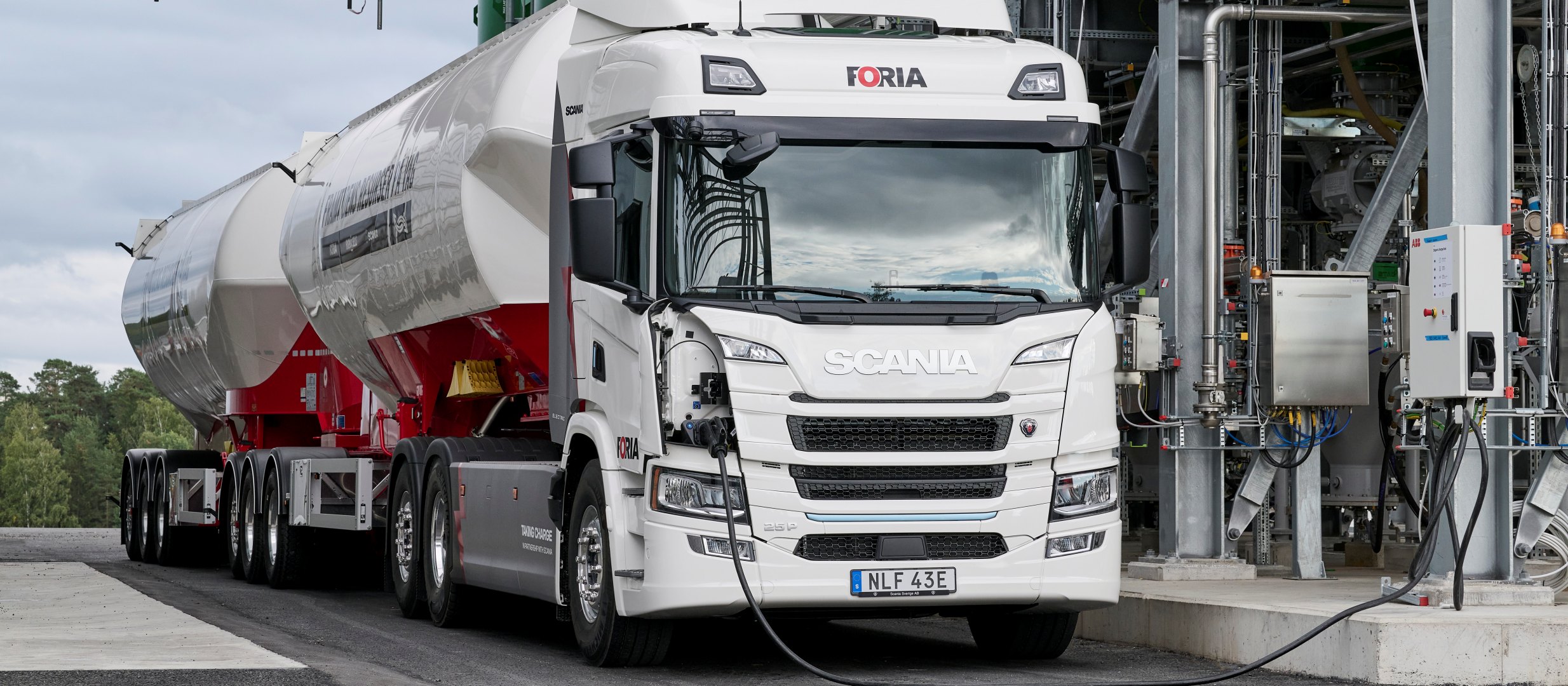
The Lithuanian Environmental Project Management Agency (APVA) has announced a call for applications for grants to purchase fully emission-free heavy vehicles (N3 class), powered by electricity or hydrogen. Applications will be accepted on a continuous basis until funds are depleted, but no longer than 12 months from the launch of the call.
This support measure, aimed at promoting zero-emission heavy-duty vehicles, is included in Lithuania's National Energy and Climate Action Plan for 2021–2030, addressing the transport sector's significant contribution to greenhouse gas emissions. Under the program, the subsidy per acquired vehicle cannot exceed 50,000 euros, and the maximum grant per applicant for a single project is 1 million euros. The total budget allocated for this support initiative is 11.6 million euros.
Ramūnas Saveikis, Sales Director at Scania Lietuva, highlighted the importance of electric trucks for the sustainable development of the transport sector, noting their role in reducing air pollution and combating climate change. He also pointed out that the quieter operation of electric trucks contributes to reducing noise pollution in urban areas.
"Furthermore, the transition to electric trucks will, in the long term, help reduce operational costs, including energy and maintenance expenses," Saveikis stated. He also emphasized the need for the parallel development of public charging infrastructure specifically for heavy transport, which is not yet extensively available in Lithuania.
Scania is investing a total of 1.5 billion euros with other companies in infrastructure development across Europe to establish and operate a high-performance public charging network for long-haul electric trucks and buses. The plan includes installing at least 1,700 charging points powered exclusively by green electricity, aiming to significantly decarbonize supply chains for users of the network. These charging points are slated for installation in key locations along highways and at logistics and delivery hubs by 2028.