LMU Munich Researchers Showcase Carbon Dioxide Removal Methods
Researchers at Ludwig-Maximilians-Universität München (LMU) are organizing the CDR Experience Tour to demonstrate practical approaches for removing carbon dioxide from the atmosphere.
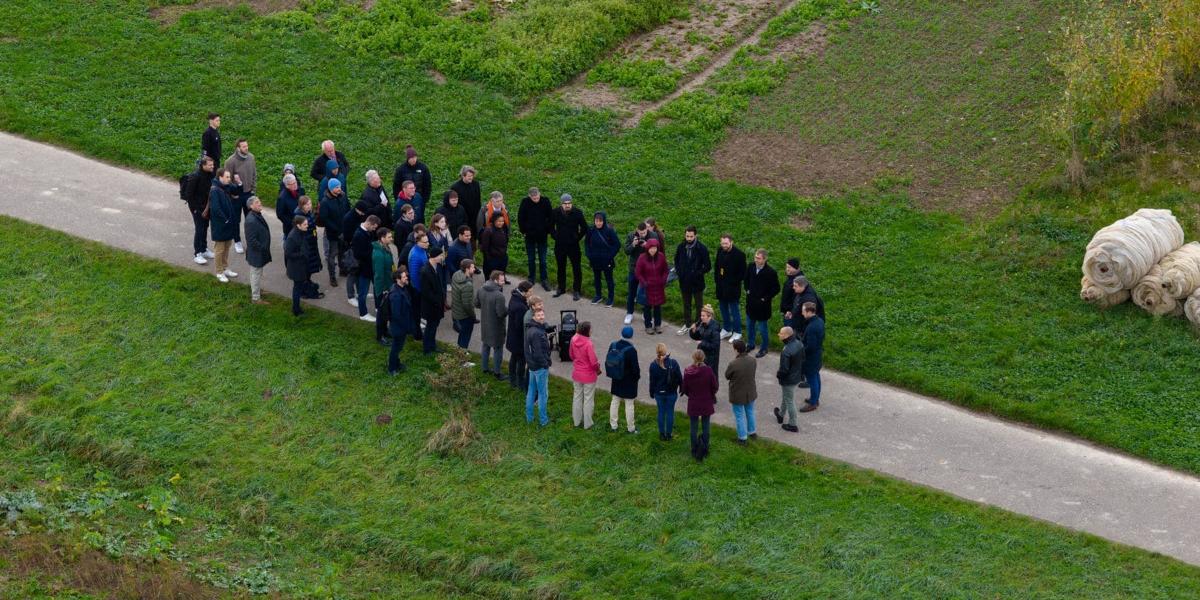
Ludwig-Maximilians-Universität München (LMU) is hosting the CDR Experience Tour from June 18-19, 2026, to showcase various methods for removing carbon dioxide from the atmosphere. The event aims to connect science, policy, and industry to discuss solutions for mitigating climate change.
The event is organized by LMU's CDRterra research program, in collaboration with the German Association for Negative Emissions (DVNE) and the NGO remove. CDRterra involves over one hundred scientists from various institutions investigating the opportunities, risks, and potential of Carbon Dioxide Removal (CDR) in Germany. LMU Professor of Physical Geography Julia Pongratz leads CDRterra and will open the CDR Experience Tour by introducing and scientifically contextualizing different CDR methods.
During the tour, participants, including policymakers, business leaders, and civil society representatives, will visit diverse projects focused on carbon dioxide removal in the Munich and Nuremberg regions. These projects include Direct Air Carbon Capture and Storage (DACCS), innovative biogas utilization with CO2 capture via a bio-fuel cell, and management of natural carbon sinks like forests and peatlands. Agroforestry and the application of rock dust in agriculture will also be featured.
"We want to bring the scientific findings from CDRterra into direct exchange with decision-makers in politics, business, and civil society," stated Professor Pongratz. She emphasized the necessity of integrating diverse approaches, both nature-based and technical, and openly discussing their potential and risks to shape responsible carbon removal policies.
The CDR Experience Tour 2026 is funded by the LMU Sustainability Fund, which supports the university's projects related to ecological, economic, and social sustainability. The initiative seeks to promote the transfer of scientific knowledge into practice and contribute to achieving global climate neutrality goals.