LNG as marine fuel: Status and outlook for 2026
Liquefied natural gas (LNG) adoption in shipping is mature, reaching regulatory significance by 2026 due to EU policies. While strong on air pollutants, its climate impact hinges on methane slip management and transition to bio-LNG.
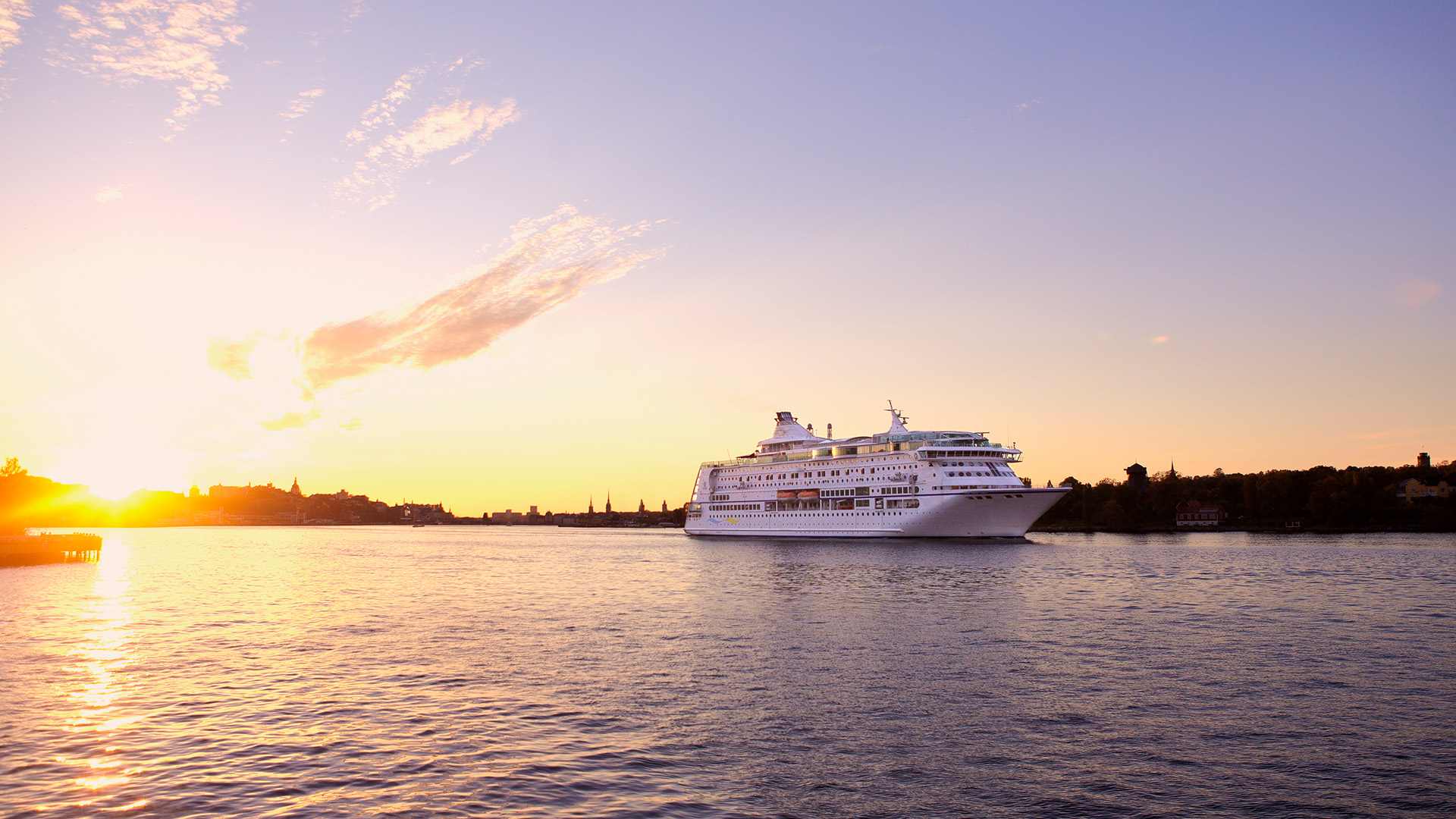
By 2026, liquefied natural gas (LNG) is no longer an experimental fuel in shipping. Approximately 800 LNG-capable vessels are in operation worldwide, with another 600 on order. Bunkering services are available in 222 ports, supported by 62 dedicated bunker vessels.
Simultaneously, the EU's FuelEU Maritime regulation and Emissions Trading System (ETS) have transformed fuel choice from an operational consideration into a compliance necessity. For shipowners and charterers, LNG offers tangible near-term compliance value. Its long-term climate benefit, however, depends on effective methane slip control and the pathway to bio-LNG and synthetic methane.
The fleet of LNG-fueled vessels is now substantial. LNG accounted for 58% of alternative-fuel container ship orders in 2025. Bunkering availability is expanding, with key hubs including Northwest Europe and the Baltic, the Western Mediterranean, and the Singapore-China axis seeing significant activity.
LNG performs strongly on local and regional air pollutants, effectively eliminating sulfur oxides and significantly reducing particulate matter and black carbon compared to traditional fuels. Nitrogen oxide (NOx) reductions can reach up to 85%. The reduction in black carbon is particularly beneficial for climate considerations in sensitive regions like the Arctic.
Combustion CO2 emissions from LNG are lower than from heavy or light fuel oil. However, full lifecycle greenhouse gas performance is heavily influenced by engine type and methane slip. This variability leads to differing assessments of LNG's climate impact. The consensus is that LNG is a proven fuel supporting cleaner air, but its climate advantage is contingent on engine efficiency, methane emission control, and the scaling of renewable methane sources.
The EU's FuelEU Maritime and ETS frameworks are significantly influencing shipping emissions in European waters. FuelEU sets greenhouse gas intensity standards that will progressively tighten, while ETS covers CO2 from 2024 and methane/nitrous oxide from 2026. LNG aligns favorably with both regulations, especially when methane slip is minimized, positioning it as a viable compliance pathway for the industry.