Lyft CEO David Risher Details Path to Company Profitability
Lyft CEO David Risher has guided the rideshare company to profitability by focusing on customer experience and cost control after taking over in 2023. The company has also expanded services and invested in autonomous vehicle technology.
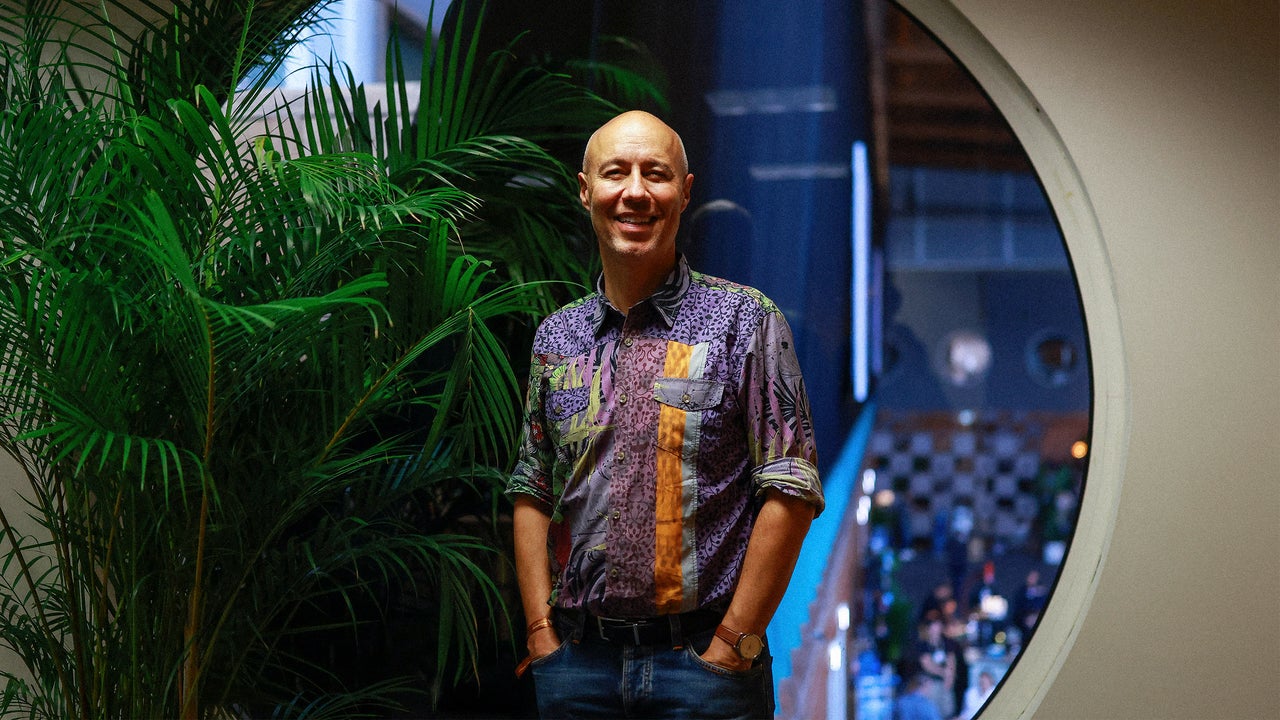
Lyft CEO David Risher has steered the rideshare company toward profitability by emphasizing customer obsession and cost management since taking the helm in 2023. At the time of his appointment, the company was facing significant financial losses and a declining market share.
Risher stated that when he joined, Lyft was losing market share and incurring substantial losses, amounting to $300 million annually. Drawing from his experience at Amazon and Microsoft, Risher implemented a strategy focused on customer satisfaction. This involved optimizing the cost structure to enable lower prices for riders while simultaneously increasing driver pay to improve service quality and retention.
In April, Lyft announced it would cap its monthly fee reductions to 30%, with the average fee decrease being around 14%. Risher also addressed concerns about driver compensation, denying that rideshare companies take excessive cuts and assuring that fees, after insurance, would not exceed 30%.
Under Risher's leadership, Lyft has expanded its operations into Europe, Puerto Rico, and Canada. The company is also investing in artificial intelligence and autonomous driving technology through partnerships with Waymo and Nvidia. Risher anticipates that self-driving vehicles will play a transformative role in the future of Lyft and the broader ridesharing industry.
"Today, we're profitable," Risher reported. He highlighted record-high driver satisfaction rates and returning riders, contributing to an increased market share of approximately 31%. Despite these improvements, Lyft's stock remains significantly below its historical peak valuations.