Making the Federal Reserve More Accountable Could Counter Political Threats
Debate over the Federal Reserve's independence and accountability is intensifying as its role in the U.S. economy expands. New approaches could strengthen its position against political pressures.
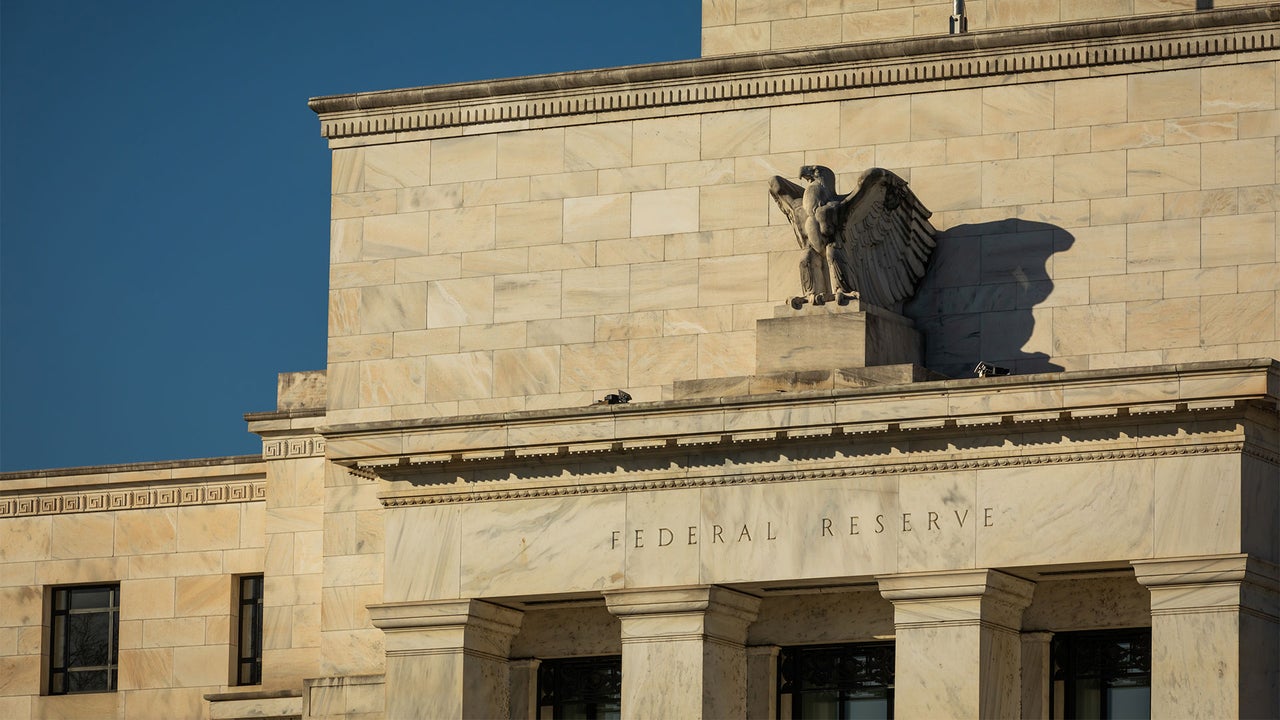
The U.S. central bank, the Federal Reserve, plays a critical role in shaping the nation's economy. Its decisions on interest rates, inflation, and bank regulation directly impact the daily financial lives of Americans, while simultaneously raising questions about its accountability.
Traditionally, the central bank's independence has been considered essential for controlling inflation. However, since the 2008 financial crisis, the Fed's actions, including large-scale asset purchases and support for private lending, have led to demands for greater scrutiny. President Donald Trump's consistent pressure for interest rate cuts and attempts to influence the Fed's leadership underscore this tension.
In this evolving landscape, new Fed Chair Kevin Warsh faces challenges, particularly at the annual Jackson Hole conference. While the conference serves as a forum for discussion rather than policy announcements, it offers an opportunity to assess the Fed's standing. Criticism has focused on the transparency and understandability of the Fed's operations, which many perceive as an opaque "black box."
According to analysts, increasing the Fed's accountability could paradoxically bolster its independence. This requires a clear definition of what accountability entails. While independence protects against political interference, external oversight provides democratic legitimacy. The Fed's position is unique due to its self-funded budget, long tenure for governors, and less extensive congressional oversight compared to other agencies.
The Fed's expanded activities post-financial crisis, including "quantitative easing" and special lending facilities, have blurred the lines between monetary and fiscal policy. These measures, which affect wealth distribution and support specific sectors, have prompted calls for more rigorous consideration. Various forms of accountability for the Fed, such as transparency in decision-making and policy evaluation, are now being more thoroughly examined.