Malawi commissions first utility-scale battery storage to boost grid reliability
Malawi has commissioned its first standalone 20 MW battery energy storage system (BESS) in Kanengo, Lilongwe, aimed at enhancing grid stability and unlocking renewable energy potential.
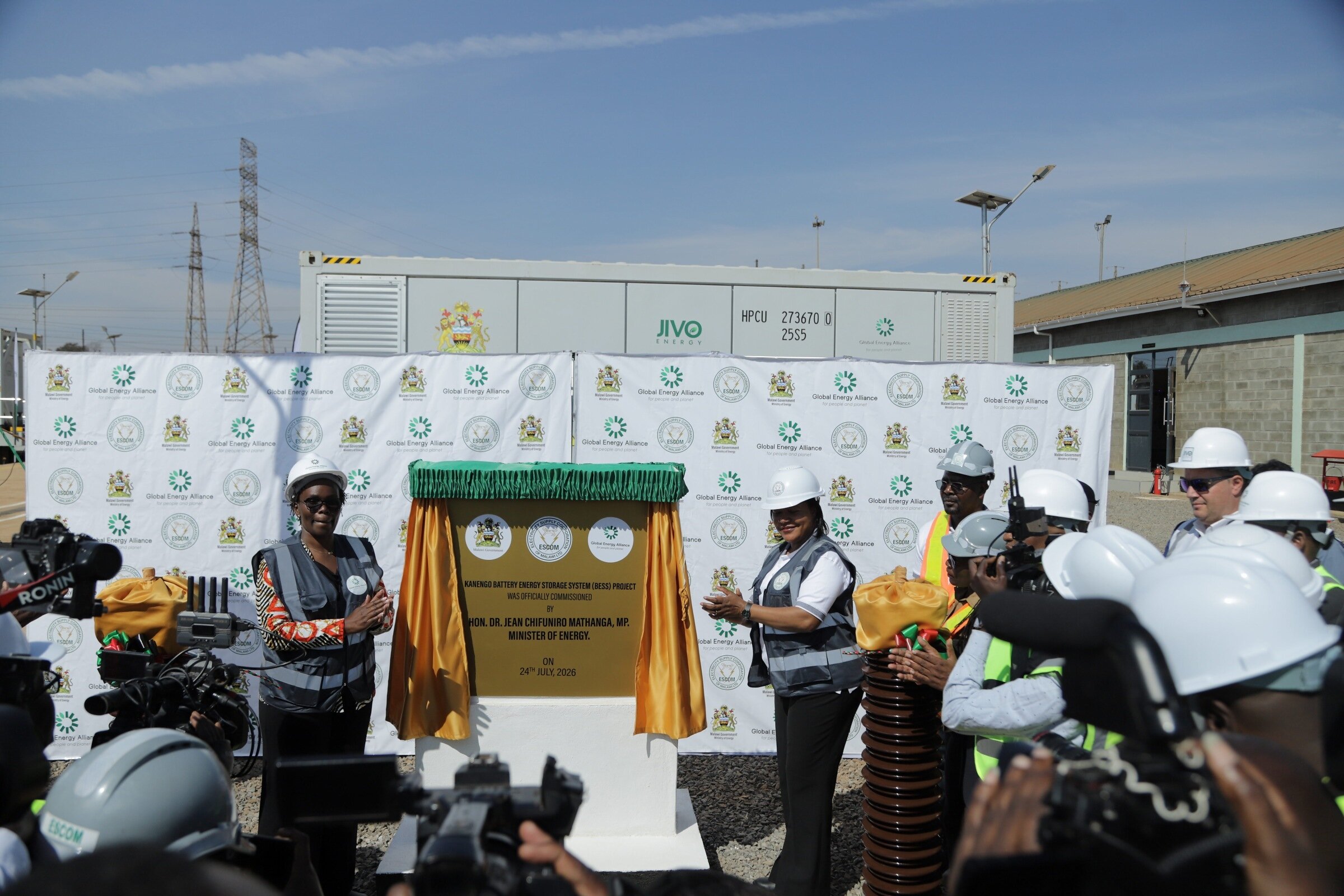
Malawi has commissioned its first standalone utility-scale battery energy storage system (BESS), a 20 MW / 40 MWh facility located in Kanengo, Lilongwe. The project, a collaboration between the Electricity Supply Corporation of Malawi (ESCOM) and the Global Energy Alliance for People and Planet, marks a significant step in the nation's energy infrastructure development.
The system is designed to improve the reliability of Malawi's electricity grid, which has historically faced challenges with instability and a reliance on costly diesel generators. The BESS will help stabilize power supply, reduce system losses, and enable the effective utilization of approximately 100 MW of previously constrained renewable energy capacity.
Supported by $20 million in catalytic grant financing from the Global Energy Alliance, the project is expected to reduce carbon emissions by 10,000 tonnes annually. It aligns with the Alliance's "Grids of the Future" initiative, which aims to develop resilient and modern power systems across Africa.
ESCOM CEO Eng. William Kayipa stated that the project transforms Malawi's grid into a smarter and stronger system. "This is the foundation for ESCOM’s transformation into a financially viable, high-performing utility capable of supporting Malawi's target of 70% electricity access by 2030," Kayipa added.
The Kanengo BESS represents a shift towards integrating battery storage as core grid infrastructure, modernizing market design, and creating new revenue streams through ancillary services. This is intended to foster long-term economic growth and support the region's expansion of renewable energy capacity.