Malteser in Deutschland Offers Guide to Identifying AI-Generated Fake Content
Malteser in Deutschland has released guidance on how to identify misleading content created by artificial intelligence (AI) online. As AI technology advances, distinguishing real images and videos from sophisticated fakes is becoming increasingly challenging.
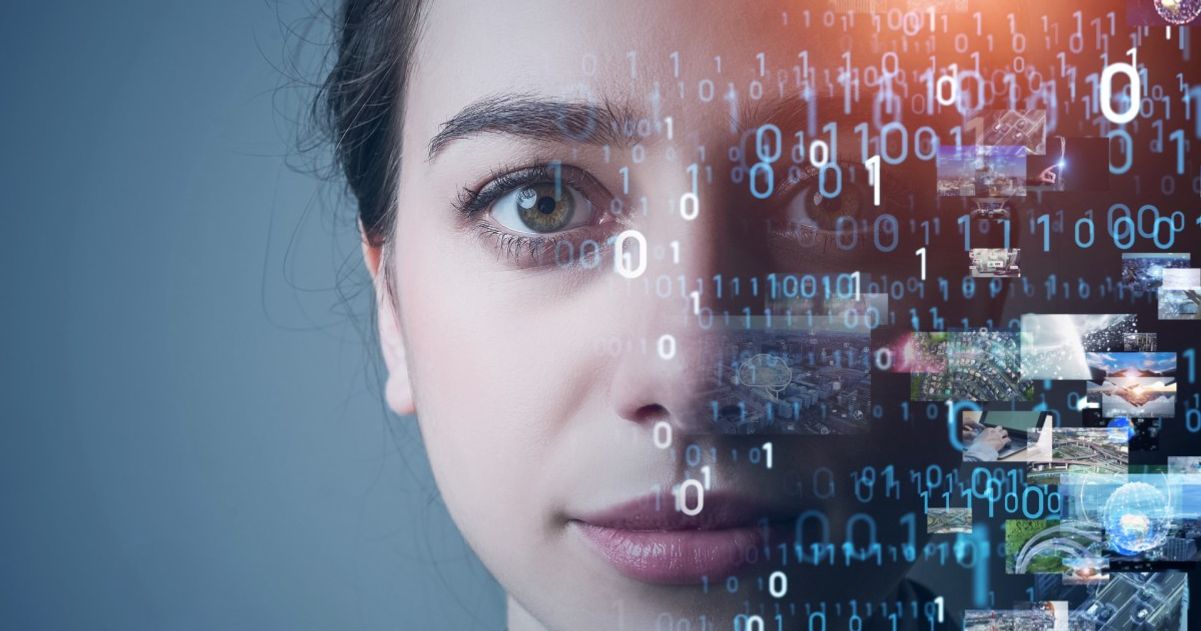
Malteser in Deutschland has published a guide aimed at helping internet users identify misleading content generated by artificial intelligence (AI). The organization notes that the rapid evolution of digital media means that images, videos, and even voices can be created or manipulated by AI to appear deceptively real.
The aid organization explains that AI-generated content poses a significant challenge to traditional trust in digital media. While photo editing software has existed for decades, AI enables the creation of highly realistic forgeries, including so-called "deepfakes." These fabricated materials can spread rapidly across social media platforms and messaging apps, often appearing to be shared by credible public figures.
Malteser provides several tips for detecting AI-created content. These include scrutinizing unnatural details such as incorrect numbers of fingers, unusual teeth, or inconsistent shadows. Users are also advised to examine eye movements and backgrounds for anomalies and listen carefully to audio for monotonous delivery or unnatural pauses. Performing internet searches, particularly reverse image searches, can help verify the origin and context of the material.
The organization acknowledges that distinguishing sophisticated fakes is becoming increasingly difficult as the technology improves. Therefore, it emphasizes the importance of maintaining skepticism and exercising caution before sharing or believing information. While technical tools for detecting AI content are continuously being developed, they too face challenges with the increasing realism of deepfake technology.