McLaren's Hybrid Supercar Lacks Reverse Gear for Weight Savings
McLaren's $255,400 hybrid supercar, the Artura, omits a traditional reverse gear. Instead, the car utilizes its electric motor for reversing, contributing to weight reduction and agility.
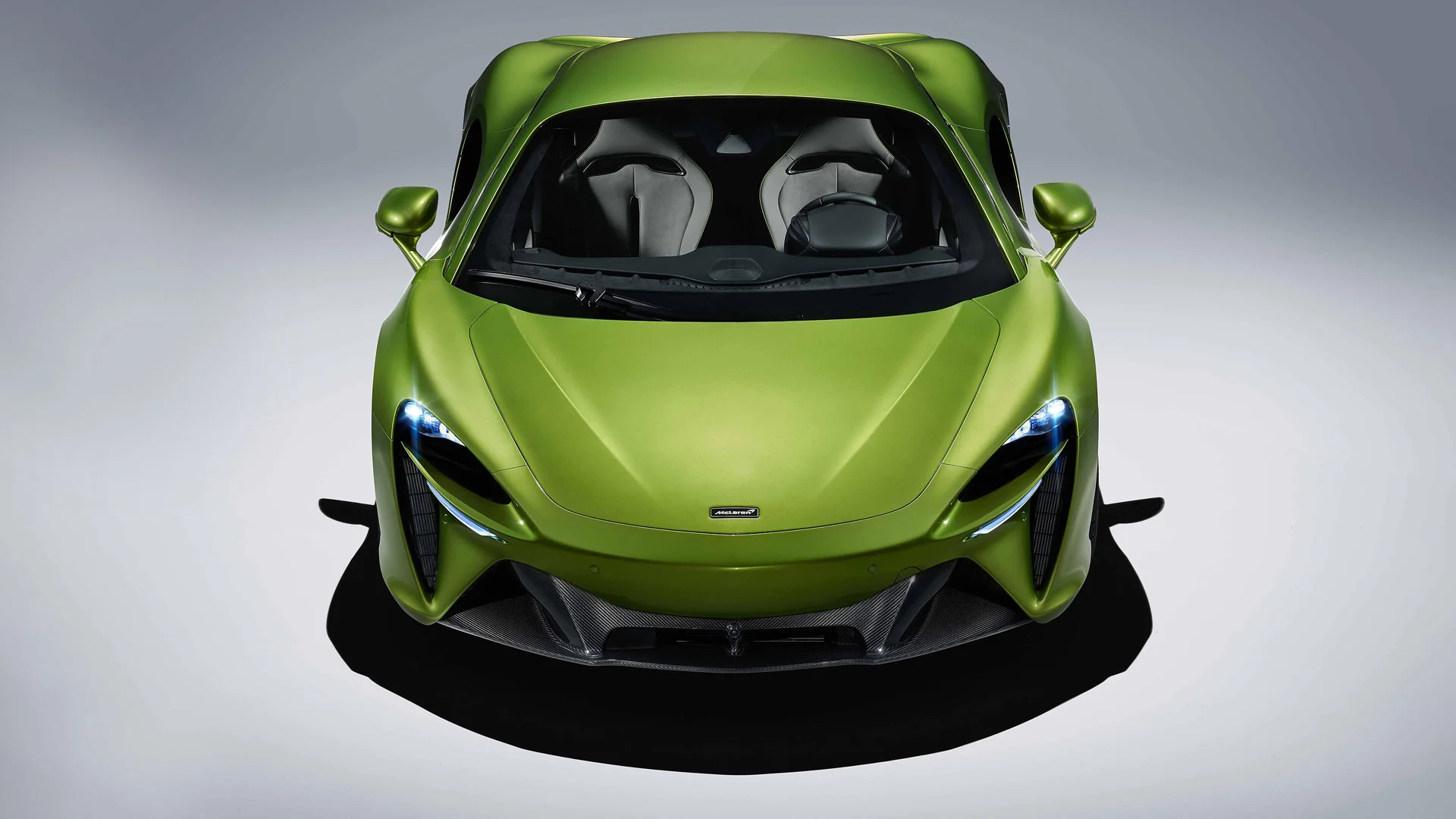
McLaren's $255,400 plug-in hybrid, the Artura, features a design choice that omits a traditional reverse gear. The supercar employs its electric motor for all reversing functions. This engineering decision contributes to a weight saving of 11 to 22 pounds compared to a conventional gearbox, a critical factor for a manufacturer focused on lightweight performance.
The adoption of hybrid powertrains is central to McLaren's future strategy. While CEO Nick Collins has indicated that customer demand for fully electric vehicles is not yet paramount, hybrid technology is seen as essential for maintaining performance and efficiency standards. The company is planning new hybrid models, including a V6 coupe expected to produce close to 800 horsepower in 2027 and a V8 hybrid SUV slated for 2028.
McLaren's approach aligns with broader shifts within the supercar segment. Several manufacturers are prioritizing hybrid solutions, with some re-evaluating their timelines for fully electric models. Ferrari, for instance, has adjusted its strategic plan to increase the proportion of combustion engines and hybrids in its future lineup, while Lamborghini has successfully integrated hybrid technology across its entire range.
Market data suggests a growing consumer preference for conventional hybrids in key markets. In the U.S., Omdia estimates indicate that conventional hybrids reached a 16 percent share of light-duty vehicle sales in the second quarter of 2026, while battery electric vehicle sales saw a decline. This trend highlights the current appeal of hybrid technology as a balance of performance and practicality for automotive manufacturers and consumers.