Medical research explores psychedelic therapy for treatment-resistant depression
Approximately 20 percent of depression patients do not respond to standard treatments. Clinical research into ketamine and psychedelics offers new paths for care.
Standard treatment protocols for depression typically rely on a combination of antidepressants and psychotherapy. However, clinical data indicates that this approach is ineffective for approximately 20 percent of patients, who are classified as treatment-resistant. As a result, medical researchers are increasingly investigating the use of psychedelic substances as alternative therapeutic interventions.
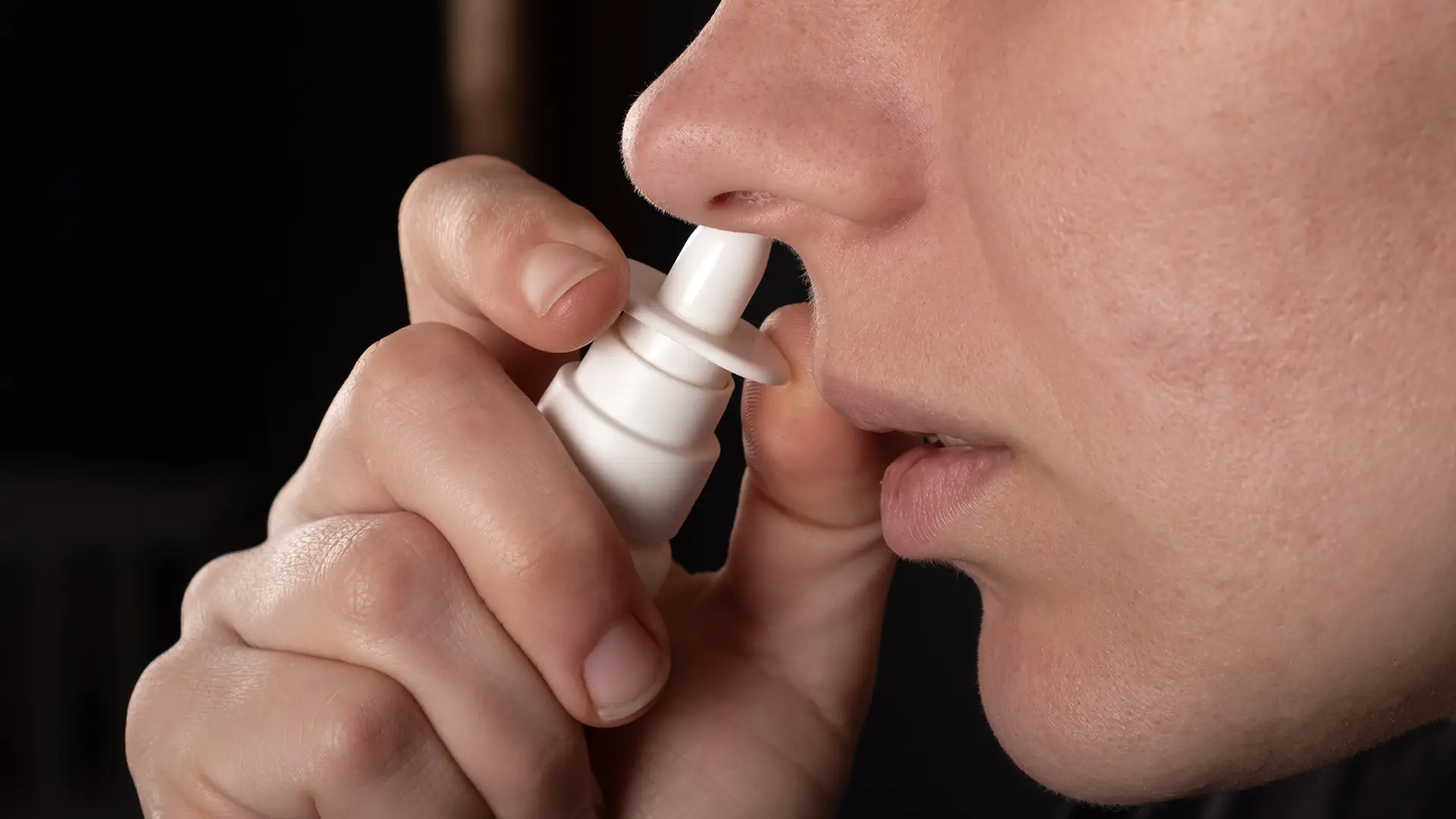
Ketamine, a conventional anesthetic, is currently utilized in clinical settings to address acute depression and suicidal tendencies due to its rapid onset of action. While intranasal esketamine may be covered by insurance in specific jurisdictions, intravenous ketamine infusions are often administered as off-label treatments, frequently requiring patients to cover the costs themselves.
Broader psychedelic research into substances like psilocybin and LSD has gained momentum in recent years. Scientific investigation focuses on how these compounds interact with serotonin receptors and the thalamus, potentially fostering the development of new neural pathways. Large-scale clinical studies, such as the European 'Episode' study, aim to quantify these effects, though experts caution that clinical integration remains years away.
While early studies indicate that a segment of the patient population experiences significant relief, researchers emphasize that the mechanisms of action remain under investigation. The goal is to establish a rigorous evidence base before transitioning these substances into routine psychiatric practice.