Medieval Sleep Practice Offers Insight Into Modern Hustle Culture
A graduate student's experiment with biphasic sleep, waking in the night for creative work, highlighted contrasts with today's sleep deprivation and productivity pressures.
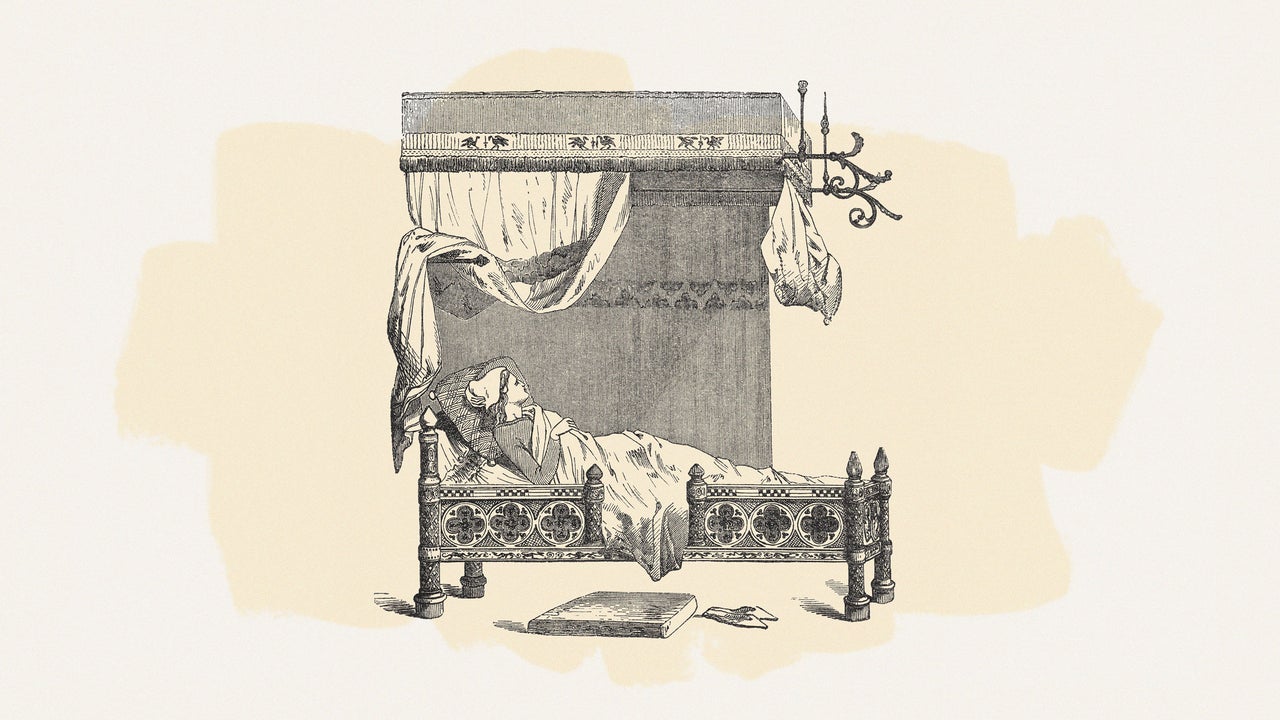
Last summer, Anna Fox, a graduate student at North Carolina State University, experimented with a medieval sleep pattern involving waking in the middle of the night. Her project, documented on social media, involved using this time for creative pursuits without digital distractions and garnered thousands of followers.
Fox reported that this segmented sleep, common in pre-industrial Europe, significantly enhanced her creativity, particularly in poetry writing. She described the quiet night hours as "lovely" and found that by setting aside to-do lists and avoiding distractions, she could focus peacefully on her creative tasks.
Historical accounts suggest many notable figures, including Charles Dickens and Thomas Edison, utilized various polyphasic sleep schedules. Historian Roger Ekirch has researched this "first sleep" and "second sleep" pattern, which differs from contemporary monophasic sleep. However, modern research indicates no substantial cognitive or health benefits to polyphasic sleep compared to adequate total sleep duration.