Meta Launches More Affordable VR Glasses Challenging Apple Vision Pro
Meta has unveiled its new VR glasses, aiming to offer a similar experience to Apple's Vision Pro at a significantly lower cost and in a lighter form factor. The device's upcoming release next year positions it as a direct competitor to Apple's spatial computing ambitions.
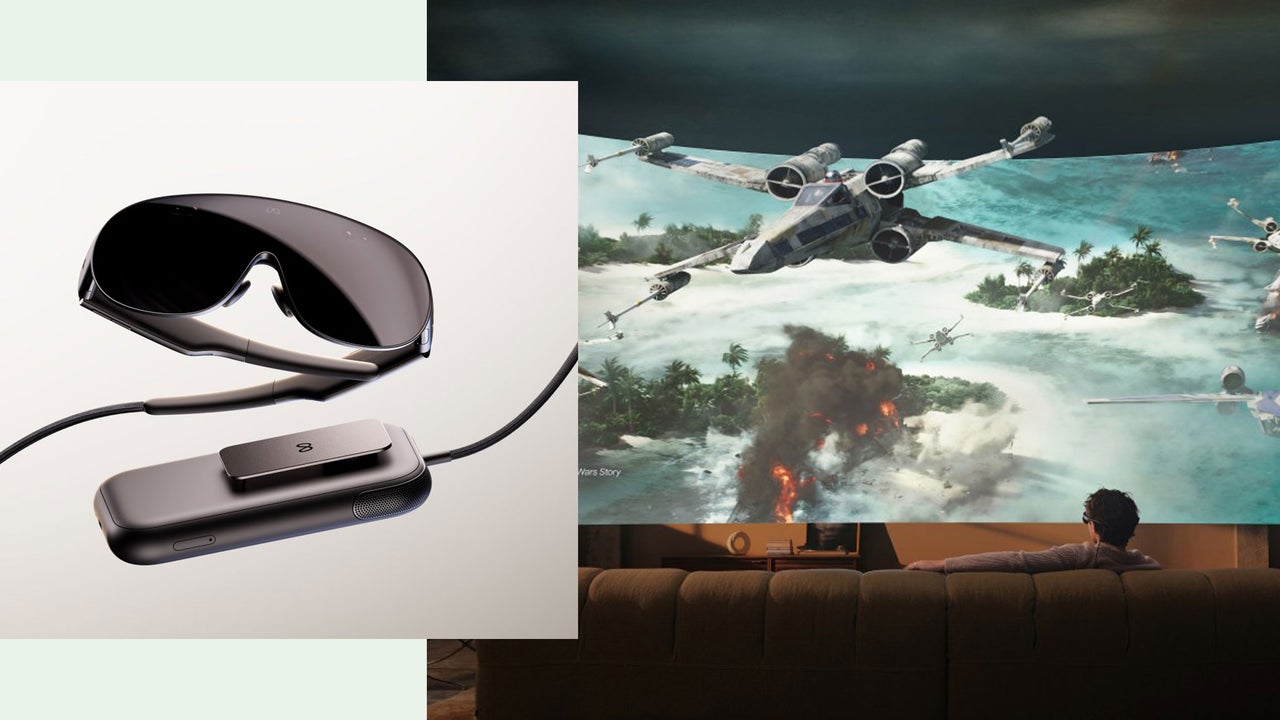
Meta has introduced its new VR glasses, designed to compete with Apple's Vision Pro by offering similar functionalities in a lighter and more affordable package. The Meta VR Glasses, set to launch next year, will be priced at $1,299, contrasting with the Apple Vision Pro's starting price of $3,699.
The new Meta glasses utilize less demanding OLED panels, drastically reducing costs compared to Apple's high-resolution displays. While the Meta VR Glasses offer fewer pixels per eye than the Vision Pro, they aim for sharper image quality through a higher pixel density. However, the field of view is more limited, approximately 70 degrees horizontally compared to Apple's roughly 100 degrees, a trade-off the manufacturer deems acceptable for achieving a lower weight and more compact design.
Meta has successfully reduced the device's size and weight (just 100 grams) by relocating computing components to a tethered "puck." This differs from Apple's Vision Pro, where this unit solely houses the battery. This design choice alleviates strain on the user's head. Furthermore, Meta VR Glasses offer broader compatibility with games and controllers compared to Apple's system, which emphasizes gesture controls and has limited support for external controllers.
Apple's Vision Pro has faced challenges with its high price, limited content, and unclear use case among early adopters and developers. Despite praise for its hardware and visionOS, it needs to become smaller, more comfortable, and significantly cheaper to achieve widespread success. Meta appears to have learned from these challenges and is presenting an alternative that may prove to be a more viable spatial computing solution.