Meta's Smart Glasses Spark Privacy Concerns Amid AI Ambitions
Meta's Ray-Ban Stories smart glasses are drawing criticism for privacy violations as the company uses collected data to fuel its AI-driven future. Critics and regulators question the devices' ability to record without consent.
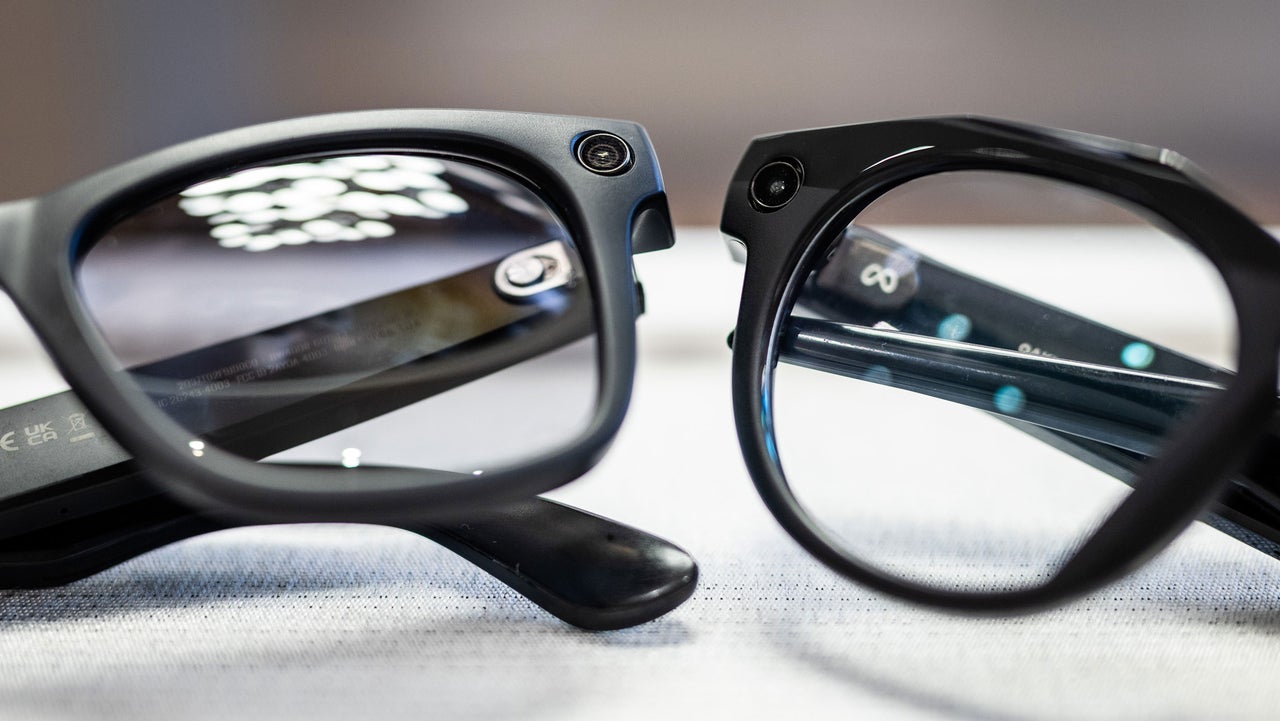
Meta, formerly Facebook, is facing scrutiny over its data collection practices, particularly with its Ray-Ban Stories smart glasses developed in partnership with EssilorLuxottica. The devices have drawn significant criticism, with some dubbing them "pervert glasses" due to their ability to capture photos and videos without explicit consent, leading to privacy breaches shared across social media.
CEO Mark Zuckerberg has outlined a vision for a future where personal AI agents perform user tasks. Realizing this vision requires vast amounts of data on human behavior. Meta leverages data gathered from its applications like Instagram and Facebook, as well as hardware such as smart glasses and EMG Neural Band devices. While privacy laws limit data collection, concerns persist that even incidental information can be incorporated into these systems.
Meta's pursuit of AI has been a long-term endeavor, beginning with its first AI research lab in 2013. The company has worked to integrate its technical infrastructure across platforms like WhatsApp and Instagram. Zuckerberg has described a future interface driven by "ultra-low-friction contextualized AI," combining technologies like EMG, egocentric data, and contextual AI.
The company's ambitions have evolved through research projects like Project Aria, now also used for AI-focused behavioral research. Following the launch of Ray-Ban Stories, Meta intensified its metaverse push, though this strategy has faced challenges. In recent years, the company has shifted focus towards generative AI, introducing its LLaMA models and the Meta AI assistant. The Muse system is the latest effort to harness data across Meta's ecosystem.
Critics argue this data collection turns users into "algorithm chow" that fuels Zuckerberg's vision. Users effectively finance this process by forfeiting privacy, whether by purchasing Meta hardware, using their apps, or by being captured in recordings by others. In the latter case, opting out may be impossible, raising questions about maintaining privacy in a world of ubiquitous cameras.