Metso: "Dropped Charge" in Grinding Mills Can Cause Significant Damage
Metso Oyj has published guidance to prevent the "dropped charge" phenomenon in grinding mills. This issue, where solidified material falls inside the mill upon startup, can cause substantial damage and production downtime.
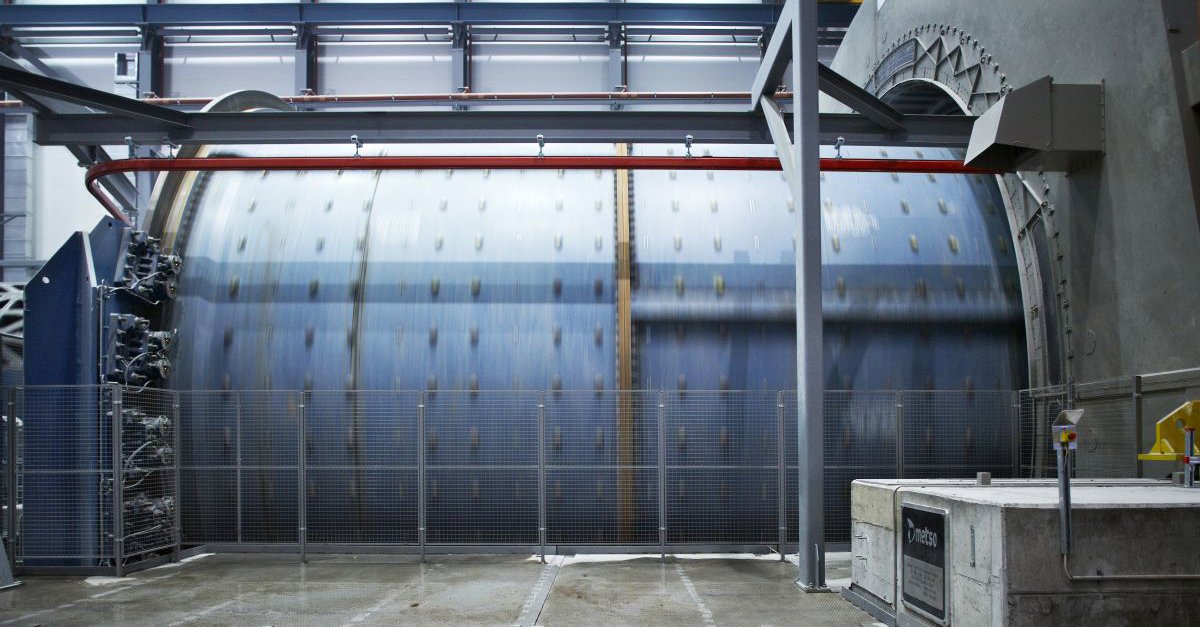
Finnish industrial company Metso Oyj has released guidance aimed at preventing "dropped charge," also known as frozen or locked charge, in large grinding mills. This problem occurs when the material inside the mill does not cascade upon startup but instead falls as a solidified mass onto the mill shell. The resulting impact can be heard and felt hundreds of meters away, potentially being mistaken for an explosion or earthquake.
The phenomenon arises when the material inside mills used for crushing and grinding ore, such as ball, SAG, or AG mills, dries out during shutdowns. Ball mills, in particular, can accumulate large quantities of steel balls, making the total charge weigh thousands of tons. When this dried, solidified mass falls upon mill startup, it can inflict permanent damage to the mill shell and flanges, leading to costly and unplanned production stoppages.
Metso indicates that most mills are not designed to withstand such impacts. Damage occurs when the impact loads significantly exceed the material's yield strength. While mills could be reinforced to withstand these forces, doing so would make the equipment substantially more expensive and energy-inefficient.
The company emphasizes that prevention is key. Proper startup procedures, such as slow rotation or intermittent starts, help break up the solidified charge before full operating speed is reached. Additionally, regular preventive maintenance is crucial for minimizing unplanned mill downtime.