Midea Clarifies Refrigerator Energy Consumption
Midea Building Technologies has released a guide detailing refrigerator energy consumption. The guide outlines typical wattage ranges and factors influencing electricity use.
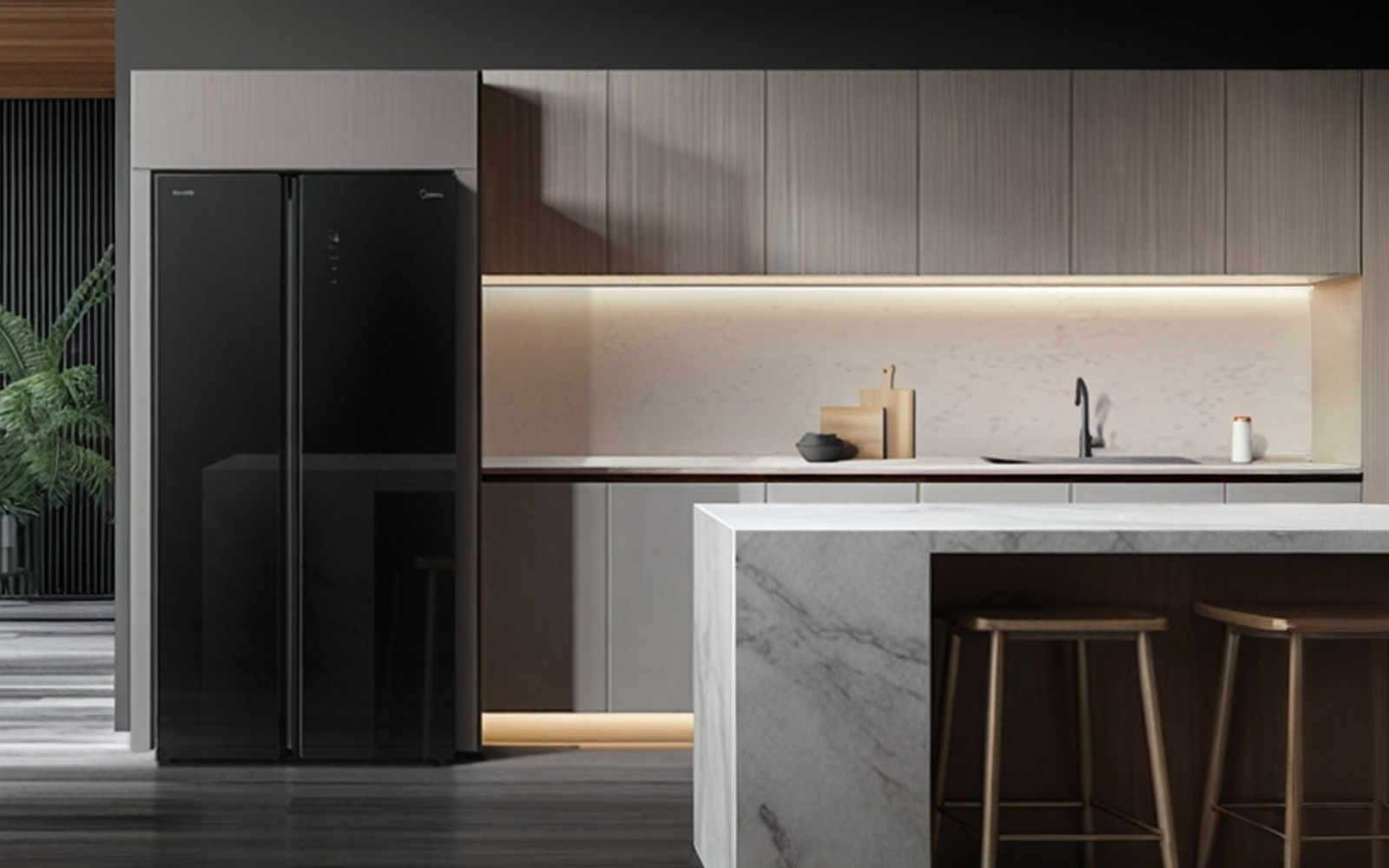
Midea Building Technologies has issued a statement clarifying the energy consumption of household appliances, specifically refrigerators. As a device operating 24/7, a refrigerator can account for approximately 15-20% of a household's total electricity usage, impacting monthly bills. The company aims to educate consumers on how wattage translates to real-world energy costs.
The guide explains that a refrigerator's power consumption typically ranges from 300W to 800W. This figure represents peak wattage, occurring when the compressor starts or during the operation of additional features like an ice maker. However, the compressor does not run at maximum power constantly. Instead, it cycles on and off to maintain internal temperatures. On average, the compressor operates for about 8 to 12 hours within a 24-hour period, meaning the average wattage is significantly lower than the peak rating.
Several factors influence a refrigerator's actual energy use. Larger capacity units generally consume more electricity due to larger compressors and more surface area to cool. The age of the appliance is also a significant factor; older models are typically less efficient than newer ones equipped with advanced compressors and improved insulation, which can use up to 35% less electricity according to ENERGY STAR.
Midea also highlights the role of Inverter technology. Refrigerators with inverter compressors adjust their speed based on cooling needs, leading to smoother, more efficient operation and lower energy consumption compared to conventional models that cycle on and off at fixed speeds. Usage habits, such as frequent door openings, and environmental factors like ambient temperature and the refrigerator's location within the home also play a role in its overall energy efficiency.