Midea Clarifies Safe Glass Usage in Microwaves
Midea Building Technologies has released guidance clarifying which glass is safe for microwave use and how to avoid potential hazards.
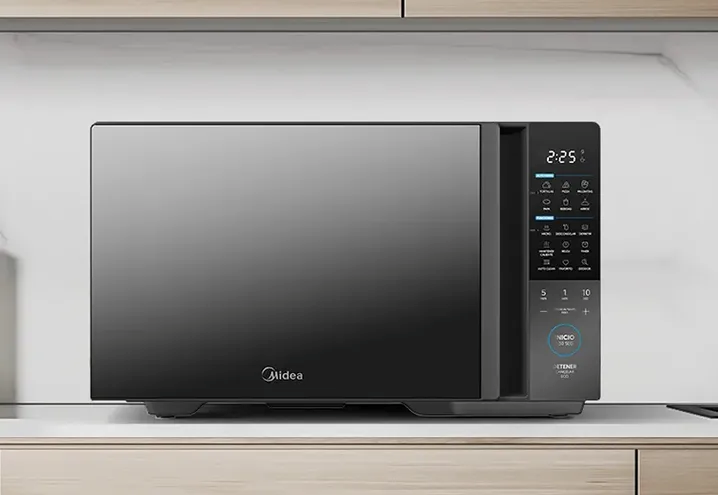
Midea Building Technologies has issued guidance to clarify the safe use of glass containers in microwave ovens. While many people use glass daily for reheating food, not all glass is designed to withstand microwave heat, potentially leading to breakage or safety risks.
The company explains that glass can be used safely in microwaves, provided it is labeled as microwave-safe and designed for heat resistance. Tempered glass and borosilicate glass are highlighted for their durability under heat. However, Midea cautions against using glass with metal trims or decorations, as these can cause sparks, and thin or untempered glass, which may crack or shatter.
Consumers are advised to look for a 'microwave-safe' symbol, often depicted as wavy lines or text, on the bottom of glassware. If no such label is present or if its meaning is unclear, the company recommends refraining from use. Reading the manufacturer's instructions is also encouraged, as it may contain specific temperature limits or usage advice.
To test the safety of unlabeled glass, Midea suggests placing a glass container filled with water inside the microwave and heating it on high for one minute. If the glass remains only slightly warm while the water is hot, it is likely microwave-safe. If the glass becomes very hot, it may absorb too much heat and should not be used.
Midea also addresses why glass can break in microwaves, citing thermal shock from uneven heating as a primary cause. Placing cold glass directly into a hot microwave or using glassware with existing cracks can increase this risk. The company recommends using the microwave's rotating glass plate to ensure more even heat distribution and reduce the likelihood of breakage.