Mill develops AI system to reduce restaurant food waste
Startup Mill, known for its home kitchen food waste bins, is expanding to commercial kitchens with a new AI-powered system to cut food waste.
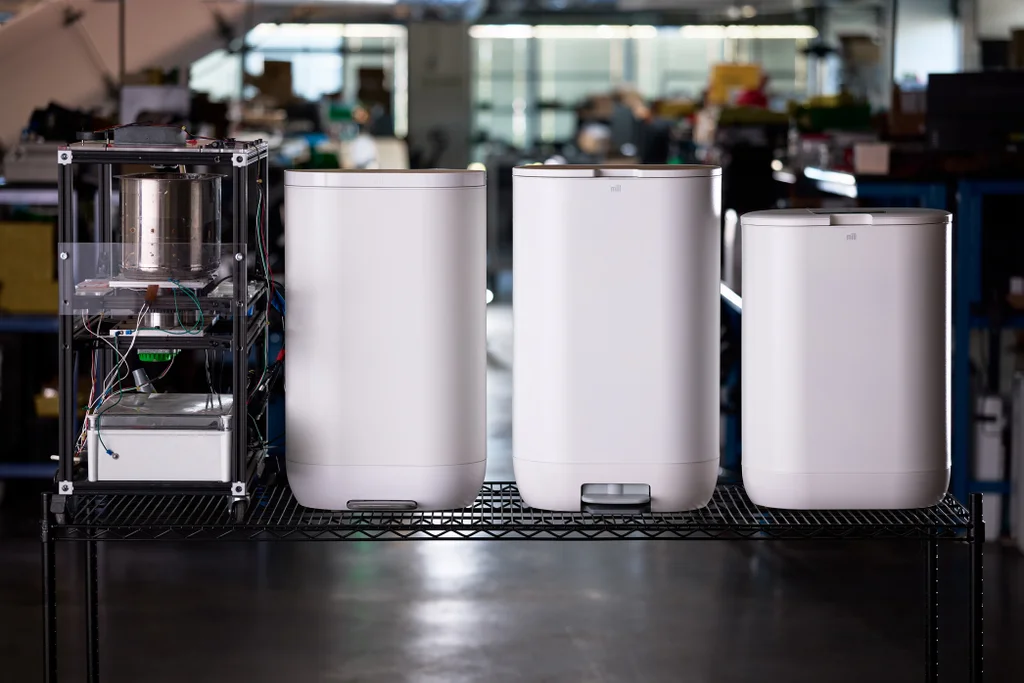
Mill, a startup known for its food waste bins designed for home kitchens, is developing an artificial intelligence (AI) powered system for commercial kitchens aimed at significantly reducing food waste from restaurants and grocery stores.
Since its launch in 2020, the company has raised over $232 million in funding and is now focusing on business clients. In the U.S., approximately a quarter of the 74 million tons of food discarded annually comes from restaurants and grocery stores. Mill's new commercial product addresses this issue from two angles.
The system first dehydrates and shrinks kitchen scraps into a lightweight, odor-free material, which can be sent to farms as animal feed or composted. Additionally, it uses AI to precisely analyze what food is being thrown away, helping kitchens make changes to reduce waste. By processing and dehydrating food waste, the volume can be reduced by up to 80%, simplifying handling and transportation.
The AI feature incorporates cameras and computer vision technology that identify discarded food items and objects in real-time. This enables the generation of detailed reports, allowing kitchens to pinpoint and address the sources of waste. The system can integrate with other kitchen software, offering suggestions for aspects like adjusting portion sizes and ordering ingredients.
Mill's design team has spent hundreds of hours in commercial kitchens to ensure the product is user-friendly, even in a fast-paced environment. According to the company, previous solutions have been too complex, leading to decreased usage and limited data utility. Mill aims to provide a solution that is easier to use than discarding food waste in the conventional manner.