MIT Spinout Coastal Assembly Builds Artificial Reefs to Save Beaches
MIT spinout Coastal Assembly utilizes AI and custom concrete blocks to halt beach erosion and promote natural sand accumulation. The company is now scaling its operations from the Maldives to other locations.
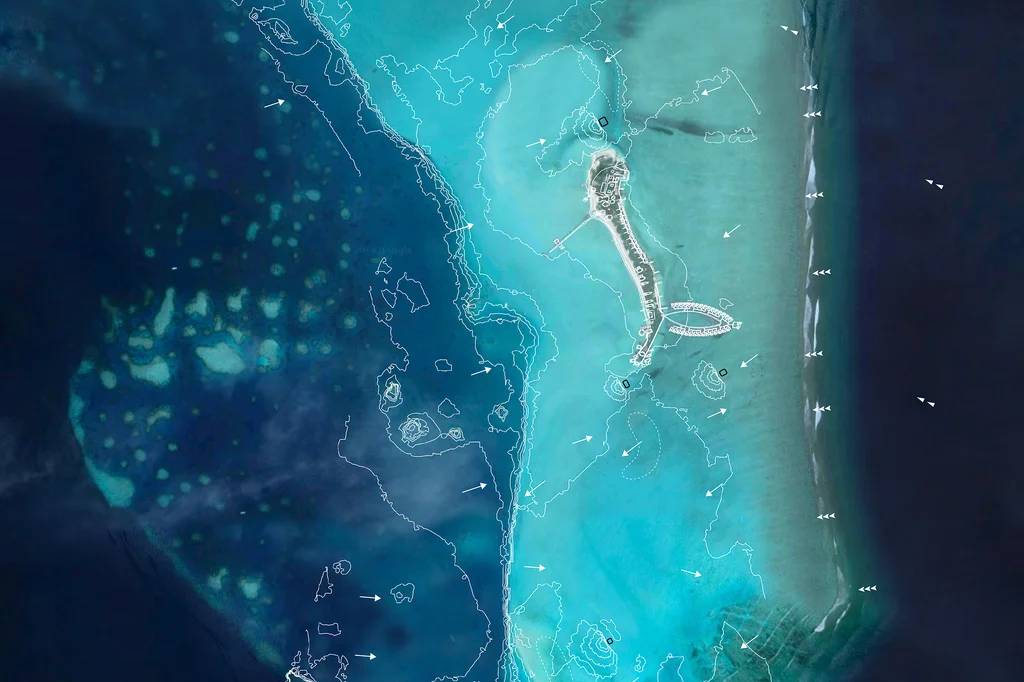
Coastal Assembly, a startup originating from MIT research, has developed and deployed artificial reefs designed to combat coastal erosion and encourage natural sand deposition. Initial results from a pilot project in the Maldives show significant success in restoring an eroding beach, leading to a doubling in beach size and the resurgence of marine life.
The company employs artificial intelligence to analyze satellite and ocean current data, enabling the design of custom concrete structures. These blocks are strategically placed to harness wave energy and redirect sand back to shore, effectively rebuilding the coastline. "We take 10 years of data and say, where do we predict the critical erosion areas will be in the coming months to year?" stated Skylar Tibbits, a professor at MIT and head of Coastal Assembly.
This approach offers an alternative to traditional coastal protection methods such as sand dredging and seawalls, which can be costly, temporary, and ecologically damaging. Coastal Assembly's reefs not only help restore beaches but also create habitats for marine organisms. The company is expanding its services beyond the Maldives to other vulnerable coastal areas, including Boston and Miami, as cities seek more sustainable solutions.