Molecular Virologist Martin Linster Isolated SARS-CoV-2 in High-Containment Lab
Molecular virologist Martin Linster played a key role in isolating Singapore's first SARS-CoV-2 samples and sequencing the virus's genetic code within a Biosafety Level 3 (BSL3) laboratory.
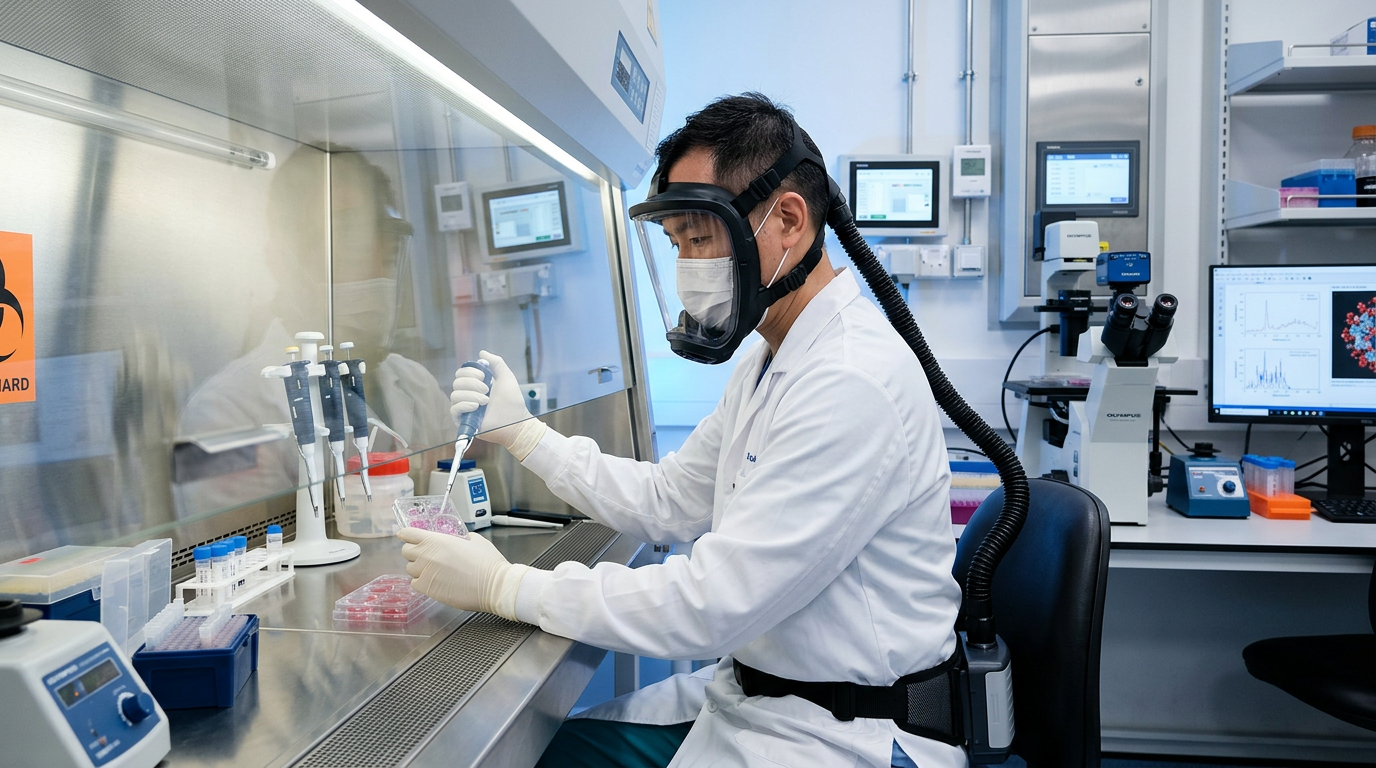
In the early weeks of the COVID-19 pandemic, molecular virologist Martin Linster was instrumental in isolating Singapore's first SARS-CoV-2 samples and sequencing the virus's genetic code. The critical work took place in a high-containment Biosafety Level 3 (BSL3) laboratory, where Linster and his team ensured the integrity of patient samples and studied the virus's behavior.
"We really can’t mess this up," Linster recalled of the initial efforts to collect and transport the samples across the island. Working with couriers, his team meticulously managed the cold chain of the triple-sealed patient specimens as they were moved from hospitals to the Duke-NUS Medical School laboratory. Entry into the BSL3 lab required full protective gear, including respirators.
Linster brought a decade of experience in high-containment labs to the effort, returning to this specialized work after a period of exploration in other areas of infectious diseases. His expertise positioned him to contribute immediately when the novel coronavirus emerged. The team's focus was on cultivating the virus in cell cultures and analyzing its genetic makeup, essential steps for developing countermeasures.
As a virologist, Linster's role involved mapping the virus's genetic sequences and understanding how it infects cells, mutates, and replicates. The team's research identified a distinct cytopathic effect – cell death – caused by the virus, leading to the successful sequencing of its genetic code in less than a week. These findings provided a crucial foundation for developing diagnostic tests, treatments, and vaccines against SARS-CoV-2.