Monsoon Formation and Flooding Explained by Aid Group
Aktion Deutschland Hilft has released an infographic detailing the formation of monsoon rains and their consequences, including floods, in South and Southeast Asia.
Aktion Deutschland Hilft, a German disaster relief alliance, has released an infographic explaining the formation of monsoon rains and their often devastating impact.
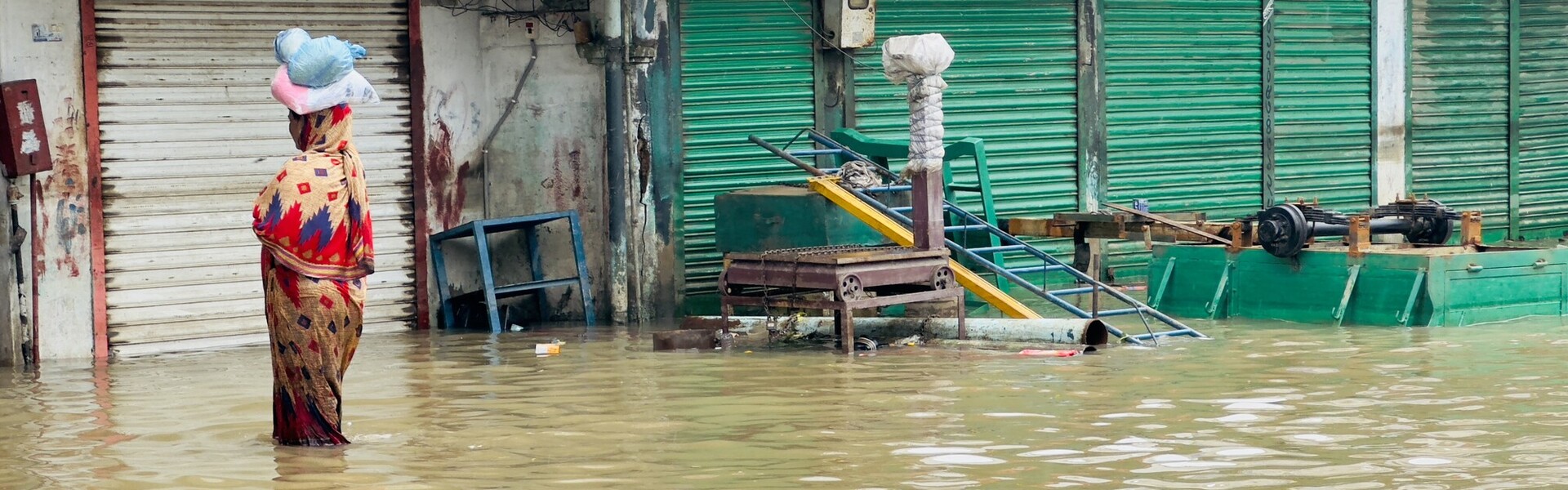
The monsoon is described as a persistent wind in tropical and subtropical regions that changes direction semi-annually, significantly influencing weather patterns in South and Southeast Asia. While monsoons bring necessary rain after prolonged dry spells, they can also cause extensive flooding and hardship.
The infographic clarifies that during the summer monsoon in South Asia, the warming of the landmass in the Tibetan highlands creates a low-pressure system. This influences monsoon winds, which pick up moist, warm air over the Indian Ocean. As this air rises over mountain ranges, it cools, forming dense clouds that result in prolonged rainfall.
The organization differentiates between the summer and winter monsoons. The summer monsoon (June-October) brings moist air from the southwest, leading to rain, while the winter monsoon (November-February) carries drier air from the northeast.
Aktion Deutschland Hilft is an alliance of over 20 aid organizations providing disaster relief. The infographic aims to educate the public on the monsoon phenomenon and its implications.