Music industry shifts toward residency-based concert models
Major artists are increasingly opting for residencies over traditional tours to enhance stability and production value. The trend offers significant operational benefits but has drawn criticism over rising fan costs.
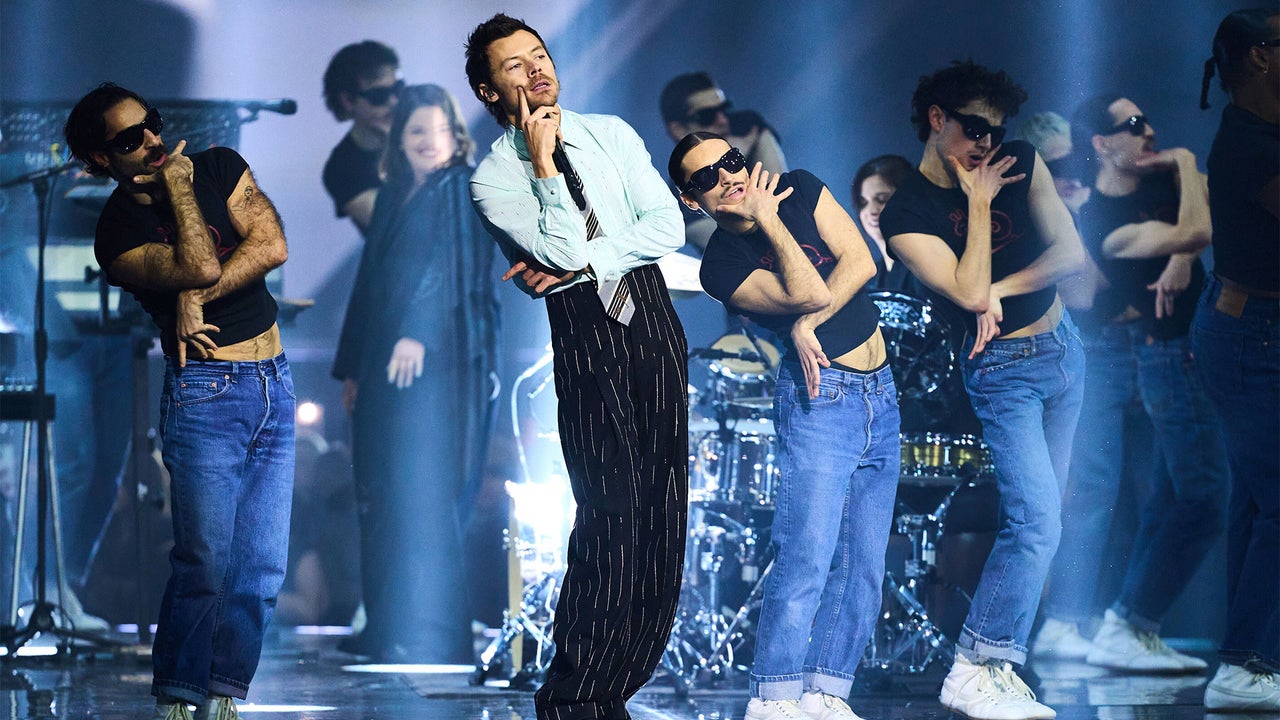
The global music industry is witnessing a shift as major touring artists, including Harry Styles, Adele, and Usher, pivot toward multi-date residencies. Once considered a format for legacy acts, the residency model has been reclaimed by contemporary stars as a sustainable alternative to the rigorous demands of worldwide touring.
For artists, the model offers distinct operational advantages. By maintaining a fixed venue, performers eliminate the logistical burden of transporting massive production gear and personnel across borders. Industry representatives highlight that this stability improves the mental well-being of performers while allowing for more intricate, tech-heavy stage designs that would be impossible to replicate on a standard tour.
However, the shift has sparked debate regarding ticket affordability. While residencies provide significant savings for artists and promoters, fans are increasingly vocal about the high costs of tickets coupled with the necessity of travel to a single destination. Industry analysts note that while the format may be profitable, it remains a supplementary model to traditional touring, which continues to serve as a vital mechanism for reaching global markets.