Nabisco's 100-Calorie Pack Failure and the Rise of a New Market Segment
Nabisco attempted 100-calorie snack packs in the 2000s, but the concept failed. A new wave of entrepreneurs has since created a market segment exceeding $1 billion.
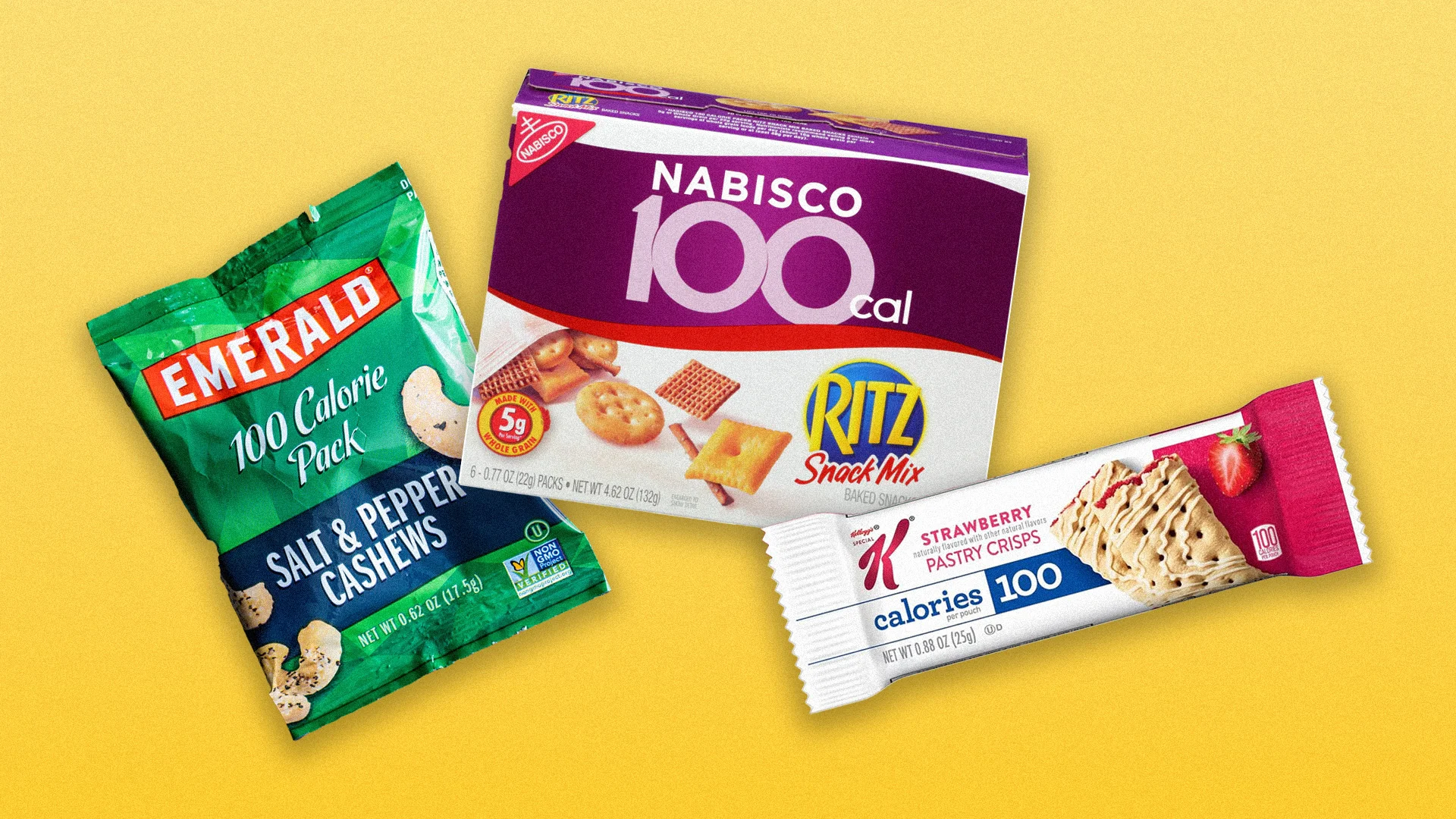
In the mid-2000s, Nabisco launched a line of "100 Calorie Packs" as part of its major snack brands, aiming to tap into the growing health consciousness and low-carb diet trend. These pre-portioned packs, featuring items like Oreos and Ritz crackers, were intended for adults seeking calorie control. Despite leveraging Nabisco's existing distribution network, the product line, introduced around 2004, was discontinued by 2009.
Post-failure analysis suggests Nabisco missed key consumer insights at the time. The low-carb craze, while popular, did not necessarily align with the appeal of these specific snack portions. Ethnographic research indicated that committed dieters often sought more tailored solutions or different types of foods, and the 100-calorie packs, while an attempt at portion control, may not have provided sufficient satisfaction or perceived value compared to other dieting strategies or alternatives.
However, the core concept of portion-controlled, lower-calorie snacks has proven viable. A new generation of founders has since successfully built a market segment valued at over $1 billion, offering products ranging from 70 to 110 calories. These newer ventures appear to have learned from Nabisco's experience, potentially by better understanding consumer psychology, product formulation, and marketing to contemporary health trends.
The success of these newer brands highlights a shift in how portion control and calorie management are approached in the snack market. While Nabisco's attempt was one of the first major industry efforts, current players have refined the strategy, likely through more targeted product development and marketing that resonates more effectively with today's health-conscious consumers.