NASA Abandons Mission to Boost Orbit of Swift Gamma-Ray Telescope
NASA and Katalyst Space Technologies have canceled plans for a robotic mission intended to rescue the Swift gamma-ray observatory from falling out of orbit. The rescue satellite faced its own operational challenges.
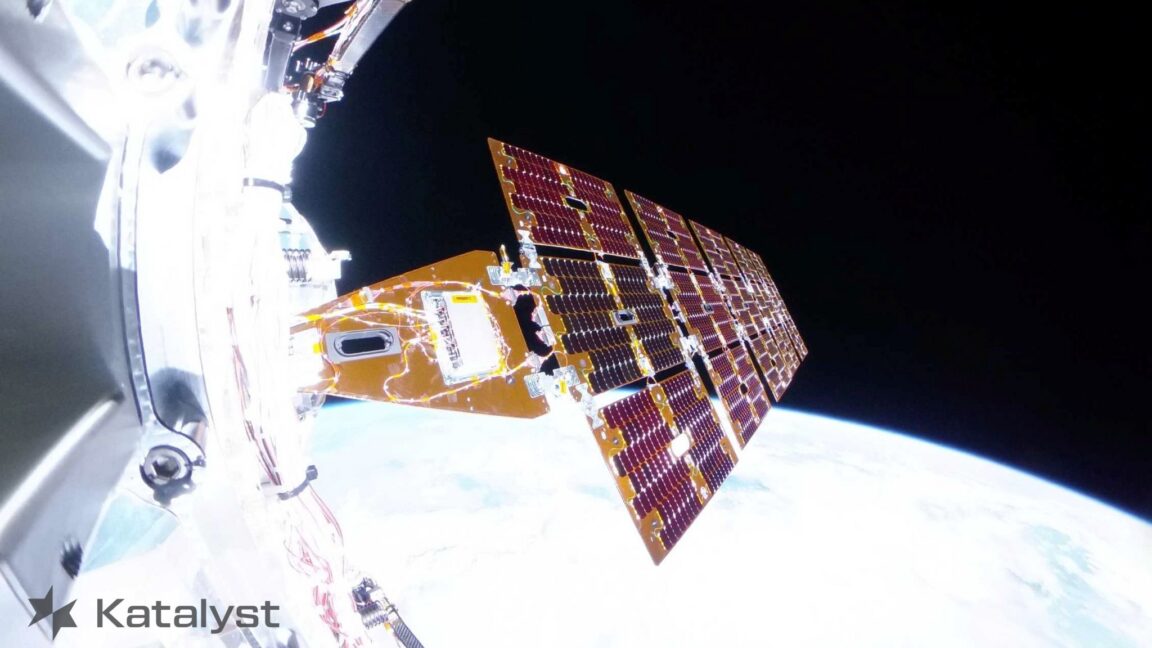
NASA and Katalyst Space Technologies announced Wednesday the termination of a mission aimed at extending the operational life of the Swift gamma-ray observatory. The robotic spacecraft, named Link, was intended to rendezvous with Swift, capture it using robotic arms, and propel it into a higher orbit to prevent atmospheric reentry.
Katalyst Space Technologies, the private company leading the rescue effort, cited "ongoing attitude control issues" with the Link satellite as the reason for the mission's cancellation. These technical problems have rendered the Link incapable of completing the primary objective of boosting Swift's orbit.
The Link satellite, launched on July 3, is equipped with solar arrays and electric thrusters designed for orbital maneuvers. Despite the mission's primary goal being unachievable, Katalyst indicated that the Link spacecraft remains operational. The company plans to utilize the remaining capacity for a demonstration of its close-in navigation system, potentially approaching Swift for testing purposes.
The Swift gamma-ray telescope, launched in 2004, has been a significant instrument for observing cosmic events such as gamma-ray bursts. The failure to boost its orbit means Swift is expected to reenter Earth's atmosphere at the end of its mission.